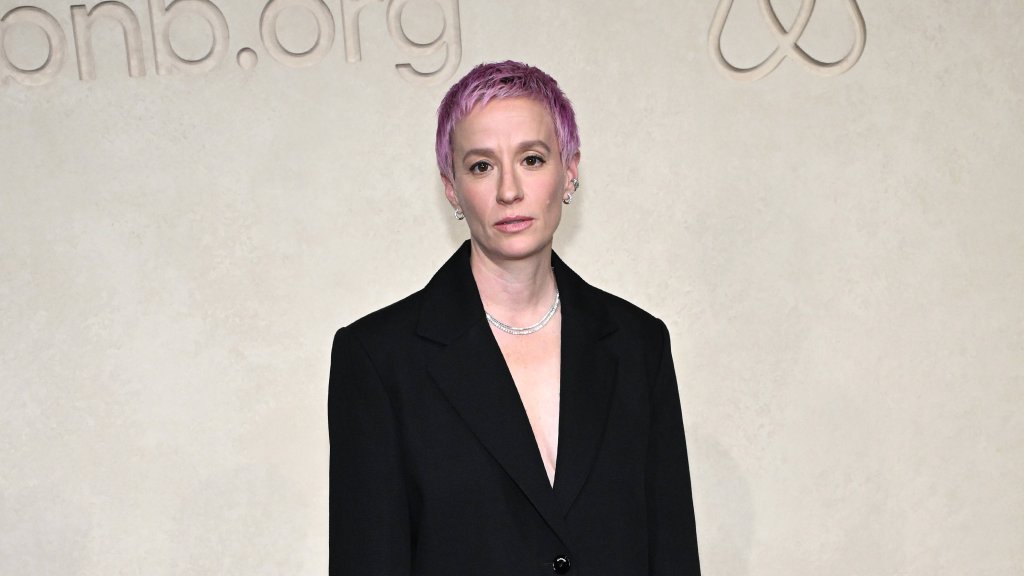
Megan Rapinoe remains clear: the football World Cup winner opposes the exclusion of trans people from sport. On Pushkin’s “Who’s With Me?” podcast, she talks to W. Kamau Bell about fairness, responsibility and why she expects influential athletes to take more of a stand.
Key points at a glance
- Rapinoe discusses trans people’s participation on the podcast.
- She criticises fear, hatred and a lack of empathy in the debate.
- The silence of well-known athletes also concerns her.
- For her, sporting competition goes hand in hand with respect for human rights.
- The episode was released on 21 October and is available in full from the publisher.
Who does the fairness debate protect?
Rapinoe challenges the idea that someone could simply declare a new gender identity and immediately compete in elite sport. She points to barriers to participation and questions how readily physical advantages are accepted in some athletes. The exceptional height of basketball star Victor Wembanyama, for example, is mentioned in the conversation. She wants a debate in which the people affected are not lost behind slogans. This section begins at around the 16-minute mark in the podcast.
Success also means responsibility
The former international footballer describes her stance as something she learnt early on. Those who enjoy recognition and a prominent public position can use them to help other people. For Rapinoe, responsibility therefore does not end with the final whistle.
She also talks about the difficult transition after the end of her playing career. The feeling of sporting success cannot simply be replaced. Yet questions of visibility and social responsibility continue to accompany her. Andrew Ogilvy’s coming out in basketball (German) had already shown how powerful public role models can be for other athletes.
The conversation, lasting around 75 minutes, goes beyond a single statement. Bell asks follow-up questions, and Rapinoe explains her experiences and expectations of the sporting world. Between recollections of her career and the current debate, it becomes clear how closely she links sporting success with public responsibility.








