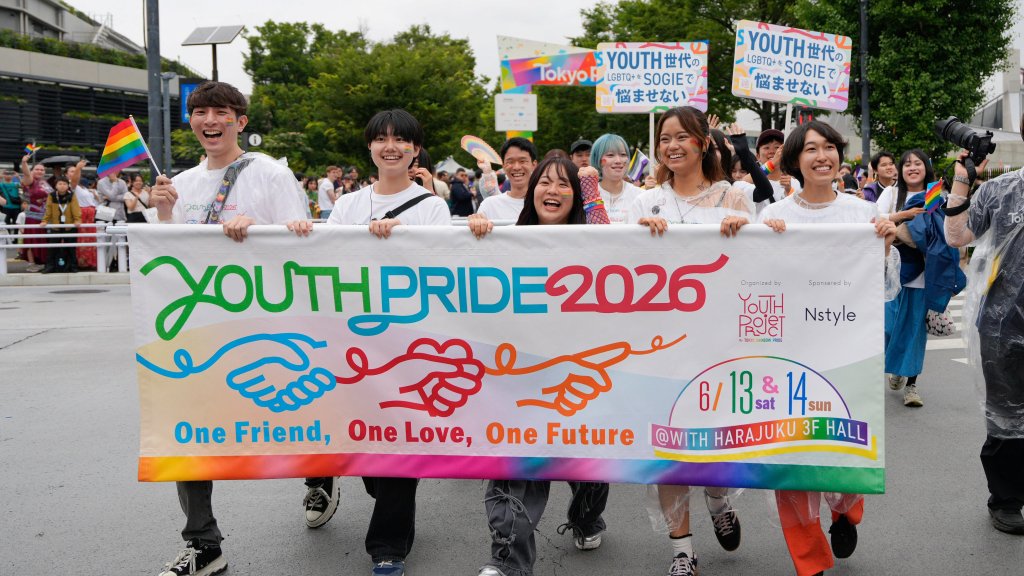
Japan is looking for workers – while leaving potential untapped. According to a new estimate, the exclusion of LGBTQ+ people costs the country between 6.04 and 16.42 trillion yen a year. According to the business network Open for Business, that is equivalent to US$37.3–101.5 billion, or 0.87–2.38 per cent of economic output.
Key points at a glance
- The report puts annual losses at up to 16.42 trillion yen.
- The estimate takes account of health burdens and lost earnings.
- Same-sex couples are still unable to marry in Japan.
- Activists are calling for binding legal protections.
When exclusion causes ill health
Additional health burdens, such as depression and cardiovascular disease, account for the largest share of the losses calculated in the report by Open for Business. Added to this are earnings lost through the pay gap between LGBTQ+ employees and other workers. Lost workforce capacity is becoming a problem, particularly in view of the shrinking population.
A rainbow without protection
For gay and lesbian couples, everyday life remains uncertain even where local authorities issue partnership certificates. These are no substitute for marriage. Questions of inheritance, social protection and medical decisions remain bound up with this. Companies, too, must clarify which benefits they grant to partners when national law does not recognise their marriage.
Makiko Terahara of Marriage for All Japan told the Washington Blade that this uncertainty encourages concealment, stress and income disparities. At the same time, she emphasises that the figures are estimates; legal reform alone would not eliminate the economic losses entirely. The fight for marriage equality before Japan’s Supreme Court (German) therefore also has an economic dimension.
Gaps in protection
Speaking to the Blade, Akira Nishiyama of the Japan Alliance for LGBT Legislation pointed to existing rules against workplace harassment, including outing someone without their consent. However, protection against discrimination in recruitment, transfers or forced resignations remains insufficient.
The fact that queer employees can face pay disadvantages (German) is also documented internationally. In Japan, advocacy groups are now calling for clearer rights – so that recognition of diversity extends to working life and families too.








