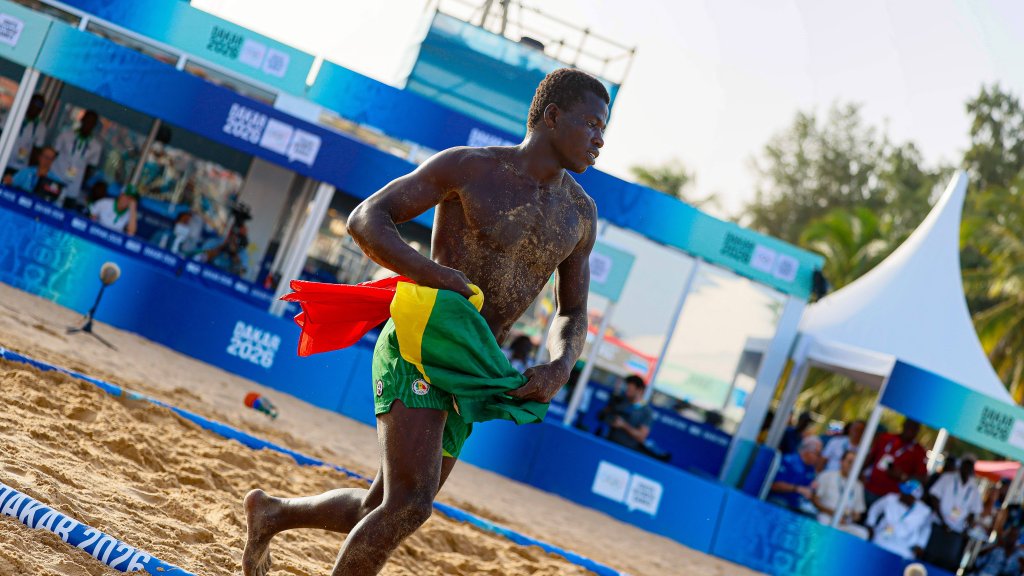
While Senegal attracts international attention through the Youth Olympic Games, state persecution of gay people in the West African country continues. In the north-western city of Louga, 32 men now face trial. The charges against them include “acts against nature” and the intentional transmission of HIV.
Key points at a glance
- 32 men charged: In north-western Senegal, 32 defendants face trial on charges including “acts against nature” and alleged intentional HIV transmission.
- Tougher criminal laws: Stricter provisions against homosexuality have been in force since March 2026. Prison sentences have been doubled, and the “promotion” of homosexuality is also a criminal offence.
- Hundreds of arrests: Numerous people have been arrested as part of the state persecution. Many were forced to undergo HIV tests against their will.
- Fear of HIV treatment: Human rights organisations report that HIV patients are abandoning their medical treatment for fear of being identified.
- Criticism of the IOC: Despite the criminal prosecution of gay people, Senegal is hosting the first Youth Olympic Games on African soil.
Ongoing trial
Following several months of investigations, an investigating judge has now referred the case to the competent criminal court. According to the Senegalese news portal Seneweb, the next hearing is scheduled for next Thursday, 12 November. This places the court hearing in the middle of the Youth Olympic Games, which are taking place in Senegal until 13 November. For the first time in history, Olympic competitions are being held on the African continent. The event, featuring more than 2,600 athletes, thus stands in contrast to the fraught human rights situation facing gay people in the host country.
“Acts against nature”
The case against the 32 defendants stems from investigations that began in April 2026. The public prosecutor’s office at Louga’s High Court investigated several suspected offences. The charges include “criminal association, acts against nature, intentional transmission of HIV/AIDS, endangering the lives of others, unlawful collection of personal data and sexual harassment”. The prosecution comes against the backdrop of a sweeping tightening of legislation against gay people. Human rights organisations have been warning for months about the effects on those affected and on public healthcare.
Hundreds of arrests
In March 2026, Senegal amended its criminal code and significantly tightened its criminal provisions against homosexuality. The prescribed prison sentences were doubled. Lawmakers also criminalised the “promotion” of homosexuality. Same-sex sexual acts were already punishable by imprisonment in Senegal. The new provisions further expanded the state’s scope for persecuting gay people.
Hundreds of people have been arrested since the legislative amendments came into force. According to reports by human rights organisations, many of those arrested were forced to undergo an HIV test against their will. The practice raises serious questions about the protection of privacy, bodily autonomy and the handling of sensitive health data. The link between criminal prosecution and HIV testing is particularly problematic. If people fear that their sexual orientation or health status could lead to state action, this may reduce their willingness to seek medical help.
HIV patients without treatment
According to human rights activists, the effects of the intensified persecution are already reaching into the healthcare system. LGBTQ+ human rights activist Fabrice Houdart reported that people with HIV in Senegal are abandoning their treatment for fear of being identified. The international human rights organisation Human Rights Watch has also drawn attention to this development. Those affected are reportedly concerned that medical examinations or the disclosure of their HIV status could bring them to the authorities’ attention. Discontinuing antiretroviral therapy can have serious health consequences.
Youth Olympic Games
The tougher legislation is also attracting international attention because Senegal is currently hosting the Youth Olympic Games. The country is the first African state to host Olympic competitions. The event is due to run until 13 November. Gay athletes taking part in the competitions are protected during the Games from arrest on the grounds of their sexual orientation or same-sex acts. For the local population, however, the criminal provisions remain in force. The latest charges against 32 people in Louga illustrate that the authorities are maintaining their approach even during the international sporting event.
Position on LGBTQ+ rights
The Olympic Charter expressly prohibits discrimination on the grounds of sexual orientation. This principle is one of the fundamental rules of the Olympic Movement. Nevertheless, the International Olympic Committee (IOC) selected Senegal to host the Youth Games, even though same-sex sexual acts were already criminal offences there when the Games were awarded. The subsequent tightening of the legislation in March 2026 did not lead to a fundamental change in the IOC’s position either. The committee pointed out that it could not change a host country’s laws. It therefore remained committed to holding the competitions despite the increasing state persecution of gay men and lesbians. This position is at the centre of criticism from several human rights organisations.








