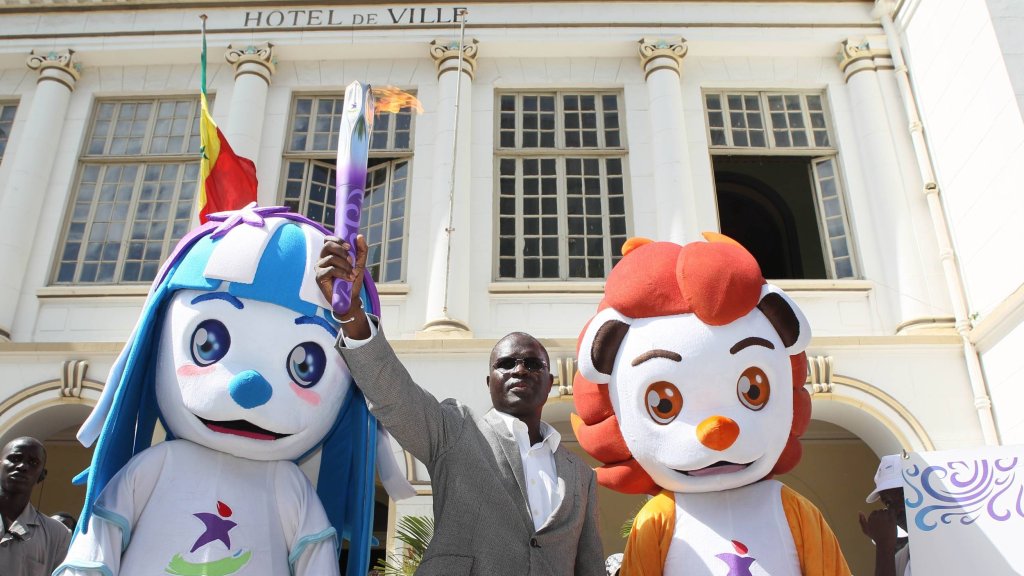
Just weeks before the Youth Olympic Games begin in Senegal, international criticism is growing over the West African country’s treatment of gay people. The human rights organisation Human Rights Watch (HRW) is now accusing the authorities of severely restricting the rights of LGBTQ+ people through tougher criminal laws, arrests and social stigmatisation. The organisation also questions how these developments can be reconciled with the principles of the Olympic Charter.
Key points at a glance
- Human Rights Watch (HRW) is calling for an immediate end to the persecution of gay people in Senegal and criticising arbitrary arrests.
- Since the law was tightened, same-sex sexual acts carry a prison sentence of up to ten years, compared with five years previously.
- Hundreds of arrests: according to the Senegalese human rights organisation RADDHO, at least 212 people were arrested between February and July.
- UNAIDS warns that the criminalisation of gay people could make it harder to access HIV testing, prevention and medical treatment.
- Senegal is due to host the Youth Olympic Games from 31 October to 13 November, with around 2,700 young athletes.
- HRW is demanding protection from discrimination and arbitrary arrest for the population as well as international participants and guests.
The Olympics in Senegal
In a newly published report, HRW describes a situation in which those affected increasingly face state persecution and social exclusion. The organisation is calling on the Senegalese government to end discriminatory measures and guarantee fundamental human rights. The timing of the publication is particularly sensitive. At the end of October, Senegal is set to become the first African country to host an Olympic sporting event. While thousands of young athletes prepare for the competitions, people in the host country face lengthy prison sentences for consensual same-sex sexual acts.
Government doubles prison sentence
The legal situation for gay people in Senegal has deteriorated significantly in 2026. In March, parliament passed an amendment to the criminal law raising the maximum sentence for same-sex sexual acts from five to ten years in prison (German). The decision received overwhelming parliamentary support. A total of 135 MPs voted in favour of the amendment. There were no votes against, with just three MPs abstaining.
The new provisions do not apply solely to the sexual acts themselves. Promoting or financing them has also been made a criminal offence. As a result, the legal risks can extend beyond those directly affected to other individuals and organisations. Human rights organisations see this as a significant escalation of state repression. They warn that the threat of punishment could lead gay people to conceal their identity and limit their public and private contacts out of fear of persecution.
Hundreds of arrests
Alongside the tougher legislation, Human Rights Watch is criticising an extensive series of arrests (German). According to information from the Senegalese human rights organisation RADDHO, at least 212 people were arrested between February and July, while other sources put the figure at more than 300. Human rights advocates therefore say that the total number of people affected by the measures cannot be reliably established. However, the documented cases show the scale of the authorities’ actions against people accused of same-sex sexual contact.
According to HRW, the arrests have far-reaching consequences for the daily lives of those affected. In addition to possible criminal proceedings, they face social stigmatisation and the disclosure of personal information. The organisation therefore warns of a situation in which even the suspicion of a same-sex relationship can have serious personal and legal consequences.
HIV tests without consent
Human Rights Watch considers reports of medical examinations allegedly carried out without the consent of those affected to be particularly serious. Several people interviewed by HRW said they had been made to undergo HIV tests despite not having consented. The results were reportedly then used to bring additional criminal accusations. According to the organisation, the persecution therefore affects not only the right to privacy and sexual self-determination, but also the protection of personal health data. Human rights defenders also reported difficulties in securing legal representation for those accused. Lawyers feared coming under pressure themselves if they took on such cases. The criminal provisions introduced in March against promoting and supporting gay people had heightened this uncertainty. This could make access to legal assistance even more difficult.
UNAIDS fears setbacks
Alongside the human rights consequences, international health organisations are warning of potential effects on access to medical care. Back in March, the Joint United Nations Programme on HIV/AIDS (UNAIDS) pointed out that tougher criminal laws could deter people from seeking medical help. Those who fear arrest because of their actual or perceived sexual orientation may avoid HIV tests, counselling services or treatment. UNAIDS sees this as a significant risk to public health. Criminalisation could reinforce existing prejudices and intensify discrimination against particularly vulnerable population groups. The warning comes against the backdrop of an already strained health situation. According to the UN programme, the number of new HIV infections in Senegal rose by 36 per cent between 2010 and 2024.
Youth Olympic Games
International attention on the situation in Senegal is likely to increase further in the coming weeks. The fourth Summer Youth Olympic Games will take place in the West African country from 31 October to 13 November 2026. The host venues are Dakar, Diamniadio and Saly. Around 2,700 young athletes from across the world are expected at the major event. The competitions cover 25 sports and will be complemented by further sporting, cultural and educational activities. The event has particular historical significance: it will be the first time an Olympic sporting event has been held on the African continent. According to the Olympic organisations, the Games are intended to promote not only sporting achievement but also international encounters, mutual respect and cultural exchange.
The international significance of the Youth Games lends additional weight to Human Rights Watch’s criticism. The Olympic Charter commits the Olympic movement to respecting human dignity and protecting people from discrimination. In the human rights organisation’s view, the criminal prosecution of gay people therefore raises fundamental questions about the compatibility of Senegalese policy with Olympic principles. The organisation is calling for protection from discrimination and arbitrary arrest not only for international athletes and guests. The same rights must also apply to people who live permanently in Senegal. Among other things, HRW is demanding that the authorities end arbitrary arrests and release people detained in this way. The organisation is also calling for a review of the tougher legal provisions.








