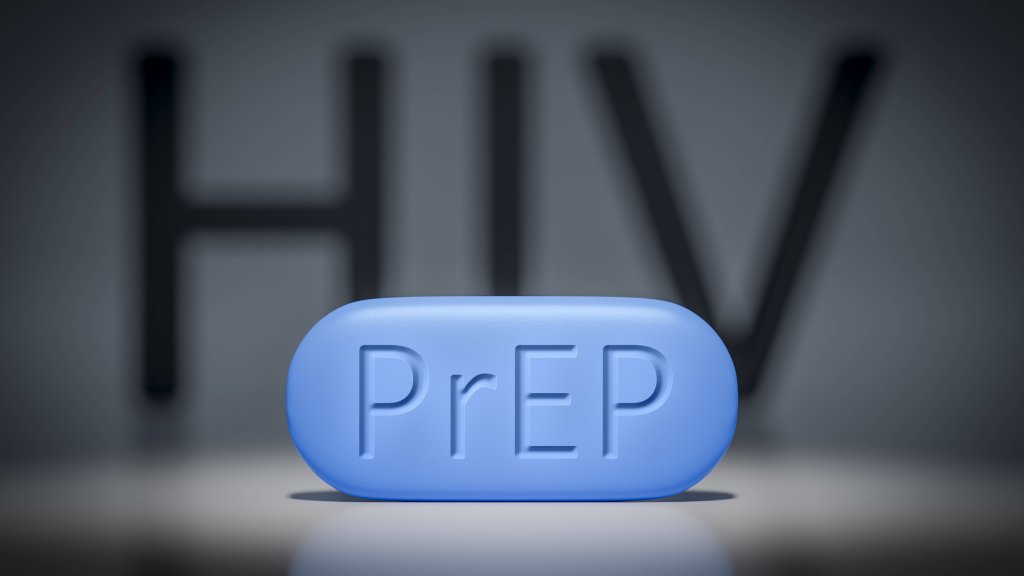
Despite medical advances, significant gaps in knowledge about protection against HIV persist in Germany. Only around one in five people is aware of PrEP, medication used to prevent HIV. A recent survey by polling institute Ipsos also shows that large sections of the population want more education, better access to testing and stronger protection for people with HIV against social exclusion. Most recently, the number of new HIV infections in Germany has risen again, according to the Robert Koch Institute (RKI).
Key points at a glance
- Only around one in five Germans is aware of the HIV prevention method PrEP.
- 71 per cent believe people with HIV still face discrimination.
- More than three quarters of respondents want more extensive education about HIV and existing prejudices.
- Only 29 per cent have ever been offered an HIV test as part of their medical care.
- In view of rising infection numbers, Deutsche AIDS-Stiftung is calling for greater efforts in prevention and early diagnosis.
HIV education in schools
There is strong public support for giving the subject a more firmly established place in education. A total of 78 per cent of respondents support making HIV education compulsory in schools. More information about the infection and efforts to tackle existing prejudices are wanted by 77 per cent. At the same time, more than half of respondents consider public discussion of the subject inadequate. According to 52 per cent, HIV and AIDS now receive too little attention in society. Higher government spending on HIV research and prevention measures is supported by 55 per cent.
Lack of awareness about testing
The survey also reveals shortcomings in the early diagnosis of HIV and other sexually transmitted infections (STIs). Only 51 per cent of adults in Germany know where they could turn to get an appropriate test within a week. HIV tests also appear to be offered relatively rarely as part of routine medical care. Only 29 per cent of respondents reported having ever been offered such a test. Among young adults aged 18 to 29, the proportion is slightly higher, at 38 per cent. The findings make clear that advances in HIV treatment and prevention have not yet been matched by corresponding levels of knowledge across all sections of the population.
Little unease about close contact
By contrast, the vast majority of Germans are well informed about the risks of transmission through ordinary everyday contact. For example, 89 per cent know that HIV cannot be transmitted by shaking hands. The fact that women with HIV can give birth to healthy children is known to 60 per cent of respondents. There are also relatively few reservations about working directly with people with HIV. Only ten per cent said they would feel uncomfortable working closely with a person with HIV. By contrast, 55 per cent said they would feel comfortable doing so. Nevertheless, the infection remains largely invisible to many people in their immediate social circles. Only 18 per cent of respondents said they had already had contact with someone living openly with HIV. Almost three quarters (73 per cent) said they had not had such contact.
Widespread discrimination
Despite many respondents' personal openness, their assessment of the situation of people with HIV in society is markedly more critical. A total of 71 per cent believe that those affected face discrimination to a great extent or at least to some extent. In addition, 75 per cent of Germans believe that most people primarily associate HIV with particular population groups rather than understanding it as a health issue for society as a whole. The focus is on gay and bisexual men. Support for measures to tackle discrimination is correspondingly strong. For example, 77 per cent of respondents consider it necessary to protect people with HIV from discrimination in different areas of life, such as at work or when looking for a home.
Rising infection numbers
Anne von Fallois, chair of the executive board of Deutsche AIDS-Stiftung, believes there is still a pressing need for action despite considerable medical advances. In particular, she says, greater emphasis must be placed on prevention, early diagnosis of infections and tackling social prejudices. “HIV infection can now be treated effectively – so effectively that people receiving treatment cannot pass it on. At the same time, there is still a great need for education about HIV and the ways to protect yourself against it. We are currently seeing infection numbers rise again, and the number of people who do not know they have HIV remains high. We need greater efforts in prevention, testing and protection against discrimination. HIV is, and remains, an issue of importance to society.” According to the RKI, around 100,600 people were living with HIV in Germany at the end of 2025. Around 8,700 had not yet been diagnosed. For the study, polling institute Ipsos surveyed a total of 1,012 people aged 18 and over in Germany in mid-November 2026.








