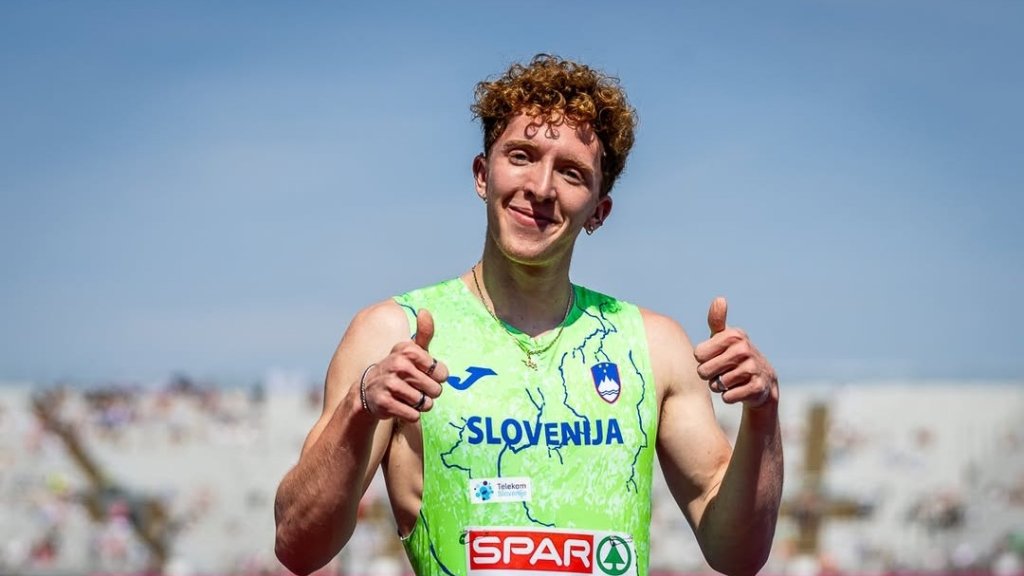
Mitja Zubin had been looking forward to his debut at the European Athletics Championships. The 20-year-old Slovenian had recently set a personal best in the 400-metre hurdles. Instead, he found himself at the centre of a debate about homophobia and online hate in Birmingham. He subsequently came out publicly as gay and has now received widespread support, reaching the highest levels of his home country.
Key points at a glance
- Slovenian hurdler Mitja Zubin, 20, has come out publicly as gay following homophobic attacks online.
- The attacks began with insulting and homophobic comments beneath an interview with the athlete.
- Zubin published a screenshot of the comments and condemned the online attacks.
- Slovenian President Nataša Pirc Musar publicly backed the athlete.
- At the European Athletics Championships in Birmingham, Zubin was the only openly gay athlete in the men's category.
- Above all, Zubin wants to show younger people that they do not need to feel ashamed of their sexual orientation.
- Slovenia is one of Europe's most progressive countries in terms of LGBTQ+ rights in law, but social attitudes lag behind.
Representation matters
Zubin is still processing the remarkable turn of events in Birmingham in the United Kingdom. He has no regrets. “Honestly, I feel great,” he told sports website Outsports. “Unfortunately, I have been used to this kind of environment since childhood. I know that you shouldn't consider it ‘normal’, but it is the reality I grew up in.” Zubin was surprised to learn that he was the only openly gay athlete in the men's category at the European Championships, which take place every two years. The competition brings together the continent's best track and field athletes. “I had no idea,” he said. The news had also been a source of pride for him. “Representation matters a great deal because everyone should feel safe, welcome and valued for their sporting achievements.”
Homophobic comments
In early July, Zubin ran the 400-metre hurdles in 49.85 seconds, breaking the 50-second barrier for the first time. Afterwards, he spoke enthusiastically about his race in an interview with the Slovenian athletics federation. The federation posted the video on social media. In the comments section, however, the tone quickly became very aggressive. There were homophobic insults and disparaging remarks about Zubin's appearance.
Zubin pushed back. He posted a screenshot of the insulting comments on his Instagram story and directly condemned the attacks. “Just a small selection of the online toxicity that goes on behind the scenes,” he wrote. He explained that the moment illustrated the “psychological challenges” many elite athletes face today. “I hadn't realised how much hate there is at home … it is disappointing to see things like this.”
Support from government circles
Zubin's post prompted an extraordinary wave of public support, reaching the highest levels of government in his home country. The Slovenian athletics federation issued a clear statement: “Comments referring to personal characteristics and insinuations about people's sexual orientation are offensive and unacceptable.”
Shortly afterwards, Slovenian President Nataša Pirc Musar also spoke out publicly. In a post about the dangerous effects of discrimination in society, she addressed the young hurdler directly. She offered him encouragement and emphasised the country's fundamental values. “Mitja Zubin, I want you to know that the support of the overwhelming majority of people remains with you and is louder than those who insult and humiliate you,” Pirc Musar wrote. “Homophobia, hate speech and discrimination have no place in our sport or in our society.”
Speaking about being gay
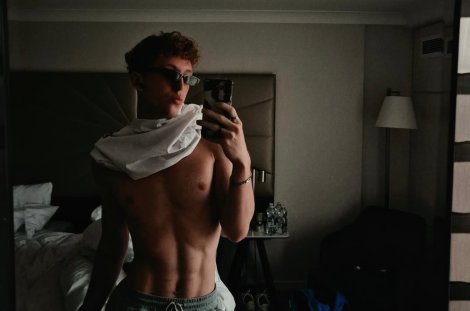
Speaking to Slovenian media, Zubin said he welcomed the president's intervention. He also discussed being gay: “I came out so that perhaps someone who comes after me, someone younger, won't have to feel ashamed of it.” It was the first time Zubin had spoken publicly about his sexual orientation. “I never felt the need to tell the world,” he said. “In my private life, most of the people close to me already knew I was gay. I came out to my mother, my younger brother and my close friends when I was 16. Not everyone in my extended family knew about it until this latest situation arose, but that is completely fine with me.”
The elite athlete also emphasised: “My biggest motivation for speaking out is the younger generation. When you are growing up, having a visible role model can make all the difference. That is why I want younger athletes, or anyone struggling to accept themselves, to know that they are not alone, that they have support and that someone is behind them. I want them to see that you can be yourself and still perform at the highest level.”
A divided country
Zubin also stressed his hope that the situation for LGBTQ+ people in his home country would continue to improve. Slovenia ranks 40th in the Equaldex Equality Index and 17th on ILGA's Rainbow Europe map, making it one of Central Europe's most progressive countries. Four years ago, Slovenia became the first post-communist country in the world to legalise same-sex marriage and full adoption rights for same-sex couples. However, a Eurobarometer public opinion survey reveals a discrepancy. According to the survey, only 58 per cent of Slovenians believe that a same-sex relationship is acceptable. Only 42 per cent support giving gay people the same rights as heterosexual people.








