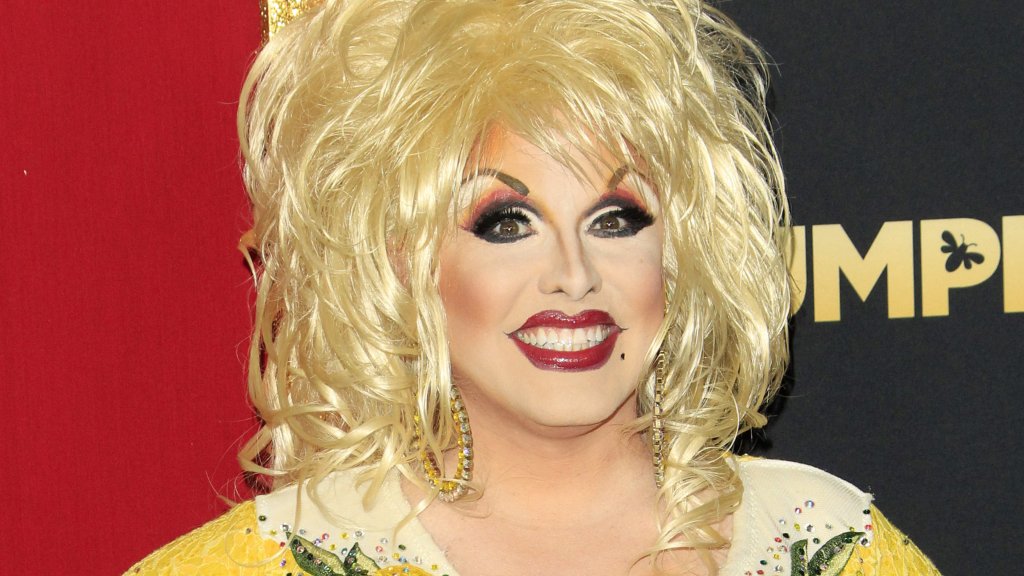
On 26 August, a US federal judge in the southern state of Texas declared a sweeping ban on drag performances unconstitutional, suspending it for the time being. The Republican legislative majority had passed the ban over “sexually oriented” content. In the court’s view, the law violates fundamental rights, particularly freedom of expression. The decision comes amid growing political restrictions on LGBTQ+ communities in parts of the US and could set a precedent for similar cases. In his reasoning, the judge referred to the late country icon Dolly Parton. He explained that the law’s definition of “eroticism” was so broad that it could also apply to world-famous performances such as Elvis Presley’s hip movements, Miley Cyrus’s twerking or Dolly Parton’s striking appearance and flamboyant clothing.
Key points at a glance
- Federal judge David Hittner in Texas has halted a sweeping drag ban.
- The law sought to criminalise “sexually oriented” performances visible to the public.
- The legislation was deemed a violation of the right to freedom of expression.
- The court considered the state’s justification too vague and dangerously broad.
- The law’s definition of “eroticism” was so broad that it could also apply to world-famous performances and Dolly Parton’s striking appearance.
- His solution for critics of drag shows is also: “Just don't go” – in other words, simply stay away.
- The ruling is not yet final; Texas has announced an appeal.
Court finds freedom of expression violated
The 2023 Texas law sought to criminalise so-called “sexually oriented performances” in public places and in the presence of minors. Among other things, even drag artists’ impersonations of celebrities such as Dolly Parton were to be punishable if individual audience members interpreted their portrayal as sexual. In his written reasoning, Judge David Hittner explicitly stated that such restrictions on artistic freedom and expression were incompatible with the US Constitution. He stressed that individuals must not be allowed to decide for everyone else what is socially acceptable.
Legislation drawn too broadly
In its assessment, the federal court highlighted that “Senate Bill 12” provides no clear definitions of what constitutes “prurient interest” or what should be considered harmful to minors. As a result, less provocative performances or even appearing in public as a drag queen or drag king could also be affected. Judge Hittner had already declared a similar provision invalid the previous year. The US Court of Appeals for the Fifth Circuit had sent the case back on procedural grounds, allowing the proceedings to take place again.
Outlook: potential precedent, with legal avenues still open
According to civil rights organisations such as the American Civil Liberties Union, this ruling continues to offer LGBTQ+ artists in Texas legal protection against blanket state bans. However, the state’s justice department has already announced that it will challenge the ruling in the next higher appeals court. Similar laws in other states are also awaiting judicial review. Pending a final resolution, the judge’s decision gives those affected and event organisers legal certainty for the time being, although this depends on the outcome at the next level of appeal.








