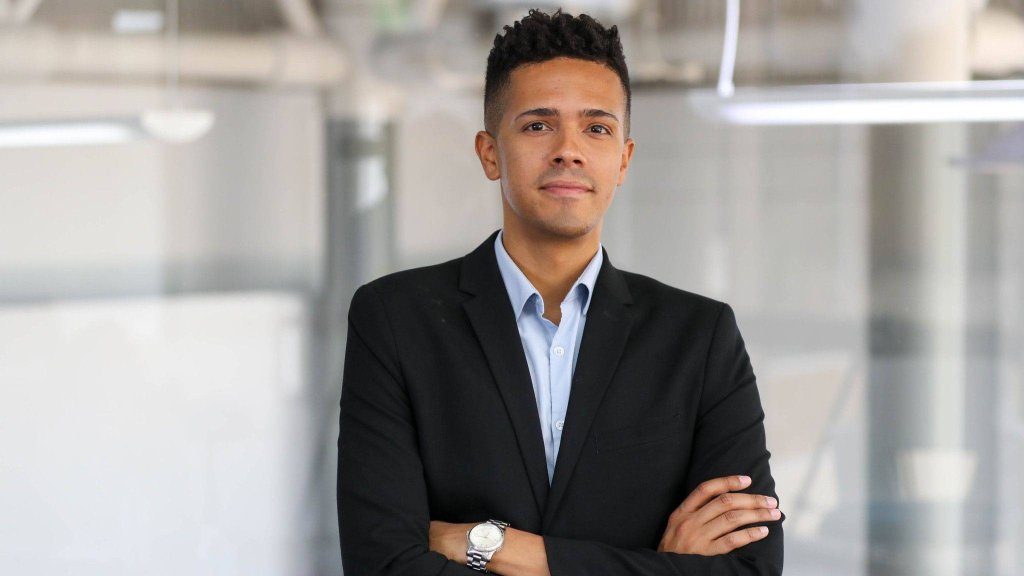
Just over ten years have passed since an attacker murdered 49 people at the Pulse nightclub in the US state of Florida (German). For survivor Brandon Wolf, the memory of the night of 12 June 2016 remains bound up with the loss of his close friend Drew Leinonen. The attack also profoundly shaped the course of his life.
Key points at a glance
- Brandon Wolf recalls the night of 12 June 2016, when 49 people were murdered at the Pulse nightclub in Orlando.
- The loss of a close friend: Drew Leinonen and his partner Juan Guerrero were among those killed.
- For Wolf, Pulse was a place where queer people could be themselves without fear. The attack shook LGBTQ+ communities worldwide.
- Together with Sara Grossman, Wolf founded the Dru Project, which supports young queer people through scholarships, school grants and educational programmes.
- The organisation has already funded more than US$250,000 in scholarships.
A night that changed everything
Wolf recently told the British press about his experience in the hours before the attack, what the nightclub meant to him and why he now focuses particularly on supporting LGBTQ+ young people. His memories begin with the exuberant mood in the club. Around 300 people had gathered there that night to celebrate. “There was an energy in the air that can only exist in a safe place for queer people,” Wolf recalled. “People were full of joy.” The atmosphere had been “so typically Pulse” and “so typically Orlando”.
Shortly after two in the morning, Omar Mateen opened fire on the nightclub’s patrons. The shooting developed into a hostage situation that lasted around three hours. By the time the attack was over, 49 people were dead and dozens more injured. Among those murdered were Wolf’s friend Drew Leinonen and his partner Juan Guerrero. The attack is still regarded as the most severe and far-reaching act of violence against the LGBTQ+ community in United States history. For Wolf, 12 June meant more than the loss of a loved one. With Pulse, he also lost a place where he had felt unconditionally accepted and safe.
An attack on us all
For Wolf, Pulse was far more than a nightclub. It was a second home, a meeting place and a safe space where people could freely express their identities. “It was a place where you could be entirely yourself, where you could show your best self, wear what you wanted and be who you wanted to be,” Wolf said. “And even if only for a moment, you could feel safe doing all those things because you were home.” Such places held particular significance for queer people, the survivor went on to explain. They offered a sense of belonging that could not always be taken for granted outside protected spaces.
Wolf also made clear that this was why the consequences of the attack were not confined to Orlando. LGBTQ+ communities and queer meeting places in other parts of the world had also been affected. “As queer people, we know what it feels like to have to create safe spaces for ourselves,” he explained. “We know what it feels like to create a place like the Pulse nightclub. And that is why an intrusion into one of these spaces means an attack on them all.”
Founding the Dru Project
After his friend’s death, Wolf decided to honour his memory by providing practical support for young queer people. Together with Sara Grossman, he founded the Dru Project, a non-profit organisation named after Drew Leinonen. Its aim is to offer LGBTQ+ young people support and opportunities. The initiative focuses particularly on education, financial assistance and strengthening queer student groups. Its work covers three core areas: scholarships for LGBTQ+ young people, financial grants for schools and the provision of educational materials for groups of queer and gay pupils. This is intended to support young people who work towards an accepting environment and advocate for their community’s rights.
The organisation also wants to help make schools places where LGBTQ+ young people can find support and a sense of belonging. According to its own figures, the Dru Project has awarded more than US$250,000 in scholarships to LGBTQ+ young people since it was founded. This support is also part of the tribute to Drew Leinonen. Through the organisation’s work, his name remains associated with a commitment to young people and their futures. The Dru Project has now also received the Inspiration Award for this work.








