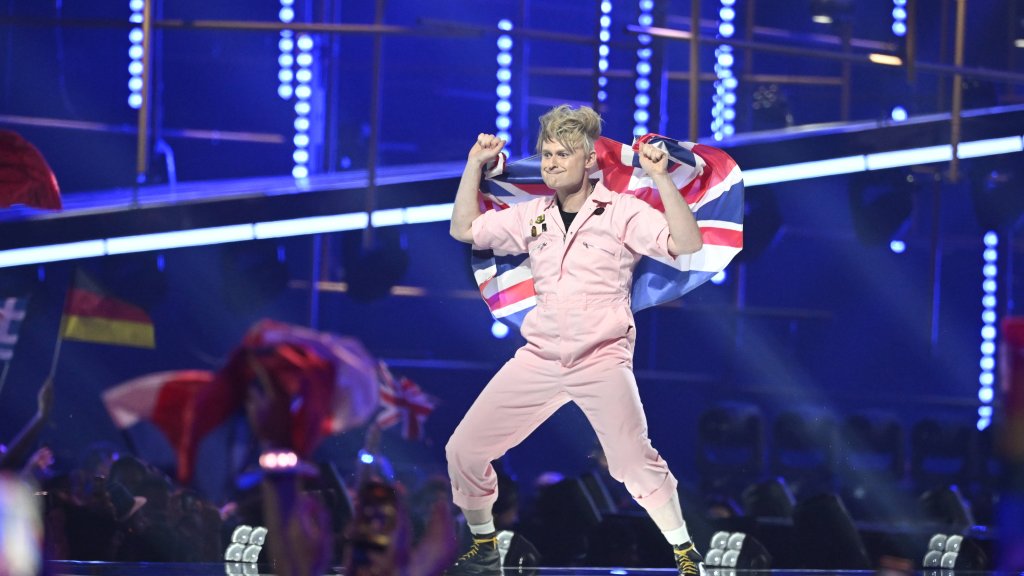
Following another disappointing result for the UK at this year's Eurovision Song Contest, British MPs now want to take a closer look at how the country's entry is selected.
Key points at a glance
- British MPs want to investigate how the country's Eurovision Song Contest entry is selected.
- The relevant parliamentary committee plans to hear from BBC representatives and music industry experts.
- The UK's poor performance at this year's contest is among the reasons for the inquiry.
- The UK's 2026 entry, Look Mum No Computer, finished last with one point.
- Over the past 15 years, the UK has finished in the top 15 only once.
Looking for someone to blame
The parliamentary committee for digital, culture, media and sport (Digital, Culture, Media and Sport Committee) is planning a hearing on the existing selection process. BBC representatives and music industry experts are among those due to give evidence in the coming months. Committee chair Dame Caroline Dinenage told BBC News: “We want to find out exactly who selects our entry, what criteria they use and whether our poor track record in recent years, with the exception of Sam Ryder, is down to poor song selection, a weak performance … or something else.”
BBC asked to explain selection
Dinenage also cited the UK's record at the contest as a reason for the committee's interest: “This motion caught our attention because, in recent years, the UK has had a reputation at the Eurovision Song Contest for getting ‘zero points’, finishing last or nearly last – despite having world-class songwriters and musicians.” The committee is therefore asking the BBC to explain the criteria currently used to select the British entry. The 2026 contest proved disappointing for the UK.
The entry Look Mum No Computer finished last, receiving just one point. In previous years, too, the country remained well short of the top places. Mae Muller finished second to last in 2023. James Newman finished last in 2021, also with “zero points”. A look at the past 15 years reveals the UK's persistent difficulties at the contest: it has managed a top-15 finish only once during that period. In 2022, Sam Ryder came second with “Space Man”. It has now been almost 30 years since the UK's last Eurovision Song Contest victory.
Countries opt for televised selection
The UK is among the countries that select their Eurovision act internally. For the 2026 contest, 23 of the 35 participating countries chose their representatives through televised competitions, including Germany. The national selection for the next Eurovision Song Contest is planned for February 2027. By contrast, ten countries have opted for an internal selection in recent years. Alongside the UK, these included France, Australia and Switzerland. Other countries follow their own models. Italy selects its Eurovision entry through the Sanremo Music Festival. Israel, meanwhile, uses a hybrid selection process. The parliamentary inquiry is now intended to establish how the BBC selects its entry and which factors have contributed to the results so far.








