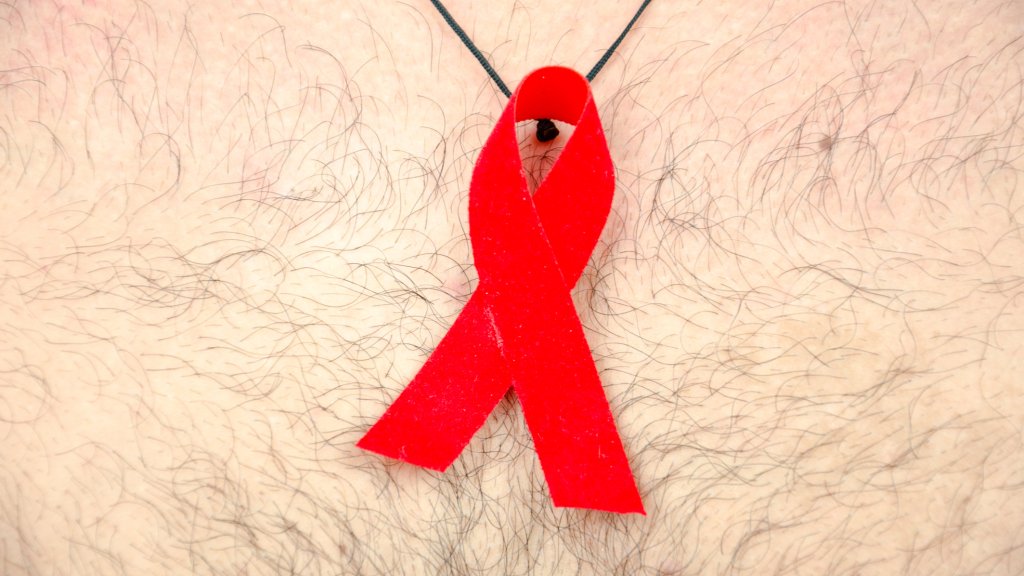
A growing gap is opening up in the US between medical advances in HIV and public knowledge. This is highlighted by the sixth annual State of HIV Stigma Report from LGBTQ+ organisation GLAAD. Around 1.2 million people in the US live with HIV, and according to the report, 13 per cent are unaware of their infection. Testing therefore remains crucial.
Key findings at a glance
- 44 per cent: Almost half of Americans reject the scientifically established statement that people with an undetectable viral load cannot transmit HIV through sex.
- Gen Z knowledge gap: Only 31 per cent of young adults feel informed about HIV, compared with 60 per cent of Generation X.
- Stigma remains a problem: 77 per cent say stigma stops people from getting tested for HIV, while 73 per cent see it as a barrier to treatment.
- Little visibility: 72 per cent have not seen a story about a person with HIV in the past year. Across 225 cinema releases examined, there was only one character with HIV.
- Less funding for prevention: Around US$600 million in CDC prevention grants have been terminated. Meanwhile, HIV criminalisation laws and uncertain healthcare funding are making access to care more difficult.
Medicine is advancing – knowledge is not
The study surveyed 2,500 adults in the US, alongside focus groups conducted by polling organisation Ipsos. One central finding: although 2026 marks ten years since the scientific consensus on U=U (“Undetectable = Untransmittable”) was established, 44 per cent of respondents still dispute the fact that people with an undetectable viral load cannot transmit HIV through sex. The knowledge gap is particularly large among Generation Z. Only 31 per cent of Gen Z adults feel informed about HIV, compared with 60 per cent of Generation X. Comfort with interacting with people with HIV has also declined. Some 61 per cent feel comfortable interacting with family members with HIV, down from 66 per cent in 2024. Only 45 per cent feel comfortable with healthcare professionals who have HIV.
Stigma makes the situation harder
Stigma has tangible consequences for healthcare. Some 79 per cent of respondents agree that people with HIV face discrimination. A further 77 per cent say stigma stops people from getting tested, while 73 per cent see it as a barrier to those affected seeking treatment. GLAAD president Sarah Kate Ellis is therefore calling for more education and a contemporary portrayal of HIV. “Americans need accurate information, authentic stories and policies that reflect the reality of living with HIV today, as well as the enormous advances in prevention and treatment. This report should be a wake-up call for the media, public health officials, policymakers and activists to ensure that the way we talk about HIV keeps pace with what science has already made possible.” Terrance Hunter, vice-president of strategic initiatives at 26Health, says: “Stigma has not disappeared. It has changed.” He argues that ending the HIV epidemic requires efforts to dismantle stigma to be pursued as consistently as advances in treatment.
HIV and the media
According to the report, HIV visibility in the media has declined significantly. Some 72 per cent of Americans have not seen a story about real people with HIV in the past year. A further 70 per cent saw no such portrayals on television or in films. GLAAD recorded just one LGBTQ+ character with HIV in the 2024/2025 television season. That character will reportedly not return. HIV is also almost invisible in cinema: of 225 major studio films examined, only one featured a character with HIV – and its story was set in the early years of the epidemic rather than the present day. The proportion was even lower for podcasts: only 0.09 per cent of the episodes examined mentioned HIV. Just 15 per cent of respondents had seen a relevant story on social media in the past year. According to GLAAD, the result is an “invisibility paradox”: as people encounter real stories about HIV less and less often, outdated ideas and myths can persist.
Information is available, but understanding is lacking
The way people receive information has also changed. Alongside traditional media, social networks, podcasts, streaming platforms, influencers and artificial intelligence play an increasingly important role. Ellis writes: “Access to information has expanded, but trust has become harder to build, and misinformation spreads faster than ever before.” This is particularly problematic for younger people. According to GLAAD, Generation Z is the most openly LGBTQ+ generation. Gallup reports that more than one in five US adults under 30 identifies as LGBTQ+. At the same time, many young people feel poorly informed about HIV and its present-day reality.
Yet the medical situation has changed fundamentally. Alongside U=U, pre-exposure prophylaxis, or PrEP, in particular has expanded the options for HIV prevention. With effective treatment, people with HIV can live long and healthy lives. Ellis stresses: “Scientific progress alone does not end stigma.” Education, visibility and cultural understanding, she argues, must evolve alongside medicine.
Five key problems
The report identifies five major developments. First, it says, the fragmented media landscape and AI are widening knowledge gaps about HIV. People get information through social networks, search engines, podcasts, AI applications and conversations with friends – but that information is not always clear or consistent. Second, the low visibility of people with HIV in the media goes hand in hand with persistent stigma. Third, current stories about HIV are rare, often outdated and shaped by fear and crisis. There is a lack of stories about people with HIV who work, have relationships, start families and lead fulfilling lives.
Fourth, stigma influences specific healthcare decisions. People may delay testing or avoid medical care. This is particularly pronounced in rural areas and among marginalised groups. Fifth, government cuts and HIV criminalisation laws are putting prevention and care under pressure. According to the report, 32 US states still have laws that criminalise HIV-related conduct and can deter people from getting tested. In addition, around US$600 million in CDC prevention grants have been terminated. Together with uncertain funding for Medicaid and ADAP, this creates further barriers to care and to funding medication such as PrEP.
Hope despite setbacks
Daniel J. Downer, racial justice adviser at Blue Ridge Pride, warns of the consequences of unstable funding: “When Medicaid coverage is unstable, when prevention funding stagnates and when public health departments are understaffed, there is no backup system waiting in the wings. A single funding gap can determine whether someone maintains a suppressed viral load over the long term or falls out of care.” Tami Haught and Kamaria Laffrey, co-executive directors of the Sero Project, call for shared responsibility: “The media must evolve towards accurate and responsible reporting. Policymakers must end harmful laws and invest in equitable healthcare systems. Funders must finance community-developed solutions.”
Despite these problems, the report sees grounds for hope. It says the surveys show that people want more honest, modern and nuanced stories about HIV. They want to see today's reality, rather than the fear-driven portrayals of past decades. The study's authors therefore call for HIV education to reach further into the places where people now get information: social networks, digital platforms, podcasts and AI applications. At the same time, portrayals of HIV must become more diverse and show the everyday lives of people with HIV. “Ending HIV stigma is possible” is the central message. This requires truth rather than misinformation, visibility rather than silence, and empathy rather than fear. Only then, the report argues, can we achieve a future in which HIV transmission ends and people with HIV can live openly, safely and free from stigma.








