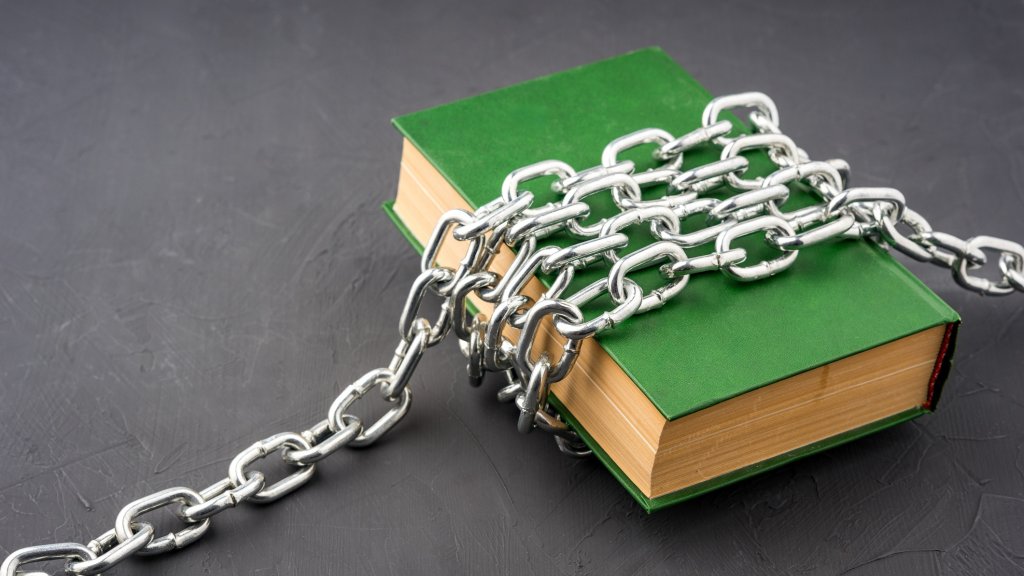
Books about LGBTQ+ people, sexuality or racism continue to disappear from American school libraries in large numbers. PEN America has now recorded almost 12,000 cases in the past school year in which books were banned at public schools or at least temporarily removed from their collections. According to the organisation, this is a new record.
The key points at a glance
- PEN America recorded 11,982 cases of book bans at public schools in the US within a year – more than ever before.
- The bans affected 7,370 different works. More than 4,500 books appeared on the list for the first time.
- Particularly large numbers of cases were recorded in Florida and Texas.
- School districts are increasingly using AI to determine which books should be removed from their collections.
- Books are particularly frequently challenged over themes such as LGBTQ+ people, ethnicity, racism and sexuality.
- For the second consecutive year, Stephen King was the most frequently affected author, particularly with “The Shining” and “The Green Mile”.
Florida and Texas in focus
In total, PEN documented 11,982 cases of book bans, affecting 7,370 different works. The organisation has not recorded anything on this scale since it began keeping records five years ago. More than 4,500 books appeared on the list for the first time. The literature affected spans a broad range, from the 19th-century classic “Jane Eyre” to Sui Ishida’s manga series “Tokyo Ghoul”. The report, entitled “Banned in the USA”, was published during Banned Books Week. Events at schools, libraries and other institutions across the country during this awareness week draw attention to censorship and restrictions on access to literature.
A substantial proportion of the bans were recorded in Florida and Texas. Both states have passed restrictive legislation. Politicians and conservative activists there are also pushing for certain books to be removed from schools. According to PEN America’s findings, the way school authorities make decisions about literature deemed problematic is also changing. School districts are increasingly turning to artificial intelligence to determine which titles should be removed from libraries or schools. Works dealing with LGBTQ+ people, ethnicity, racism or sexuality are particularly frequently criticised.
Restrictions on the freedom to read
PEN America sees this development as a threat to young people’s free access to different perspectives and social experiences. “School libraries provide access to knowledge and ideas, ensure that books remain available to everyone regardless of personal or political ideologies, and open up access to stories that inform, challenge and reflect the realities of the world for readers,” the report states. The organisation warns in particular of the effects on pupils. “Book bans undermine the freedom to read and restrict students’ access to a diversity of views, voices, perspectives and literature that they should be able to engage with.”
Stephen King particularly affected
The measures once again affected US bestselling author Stephen King particularly often. For the second year in a row, he was the writer whose works were most frequently removed from collections, according to PEN. In total, the organisation recorded 312 removals of King’s books. These included “The Shining” and “The Green Mile”, two of his best-known works. However, the large number does not mean that one of his books was also the single most frequently removed title. That position is held by “Sold” by Patricia McCormick. The book tells the story of a girl who is sold into sexual slavery in India. Other well-known works are among the books frequently challenged. They include Margaret Atwood’s dystopian novel “The Handmaid’s Tale”, which describes a society in which women are subjected to extensive state control and oppression. PEN America is not alone in observing a marked increase in such measures over the years. The American Library Association (ALA) has also reported historically high numbers of book bans since the early 2020s.








