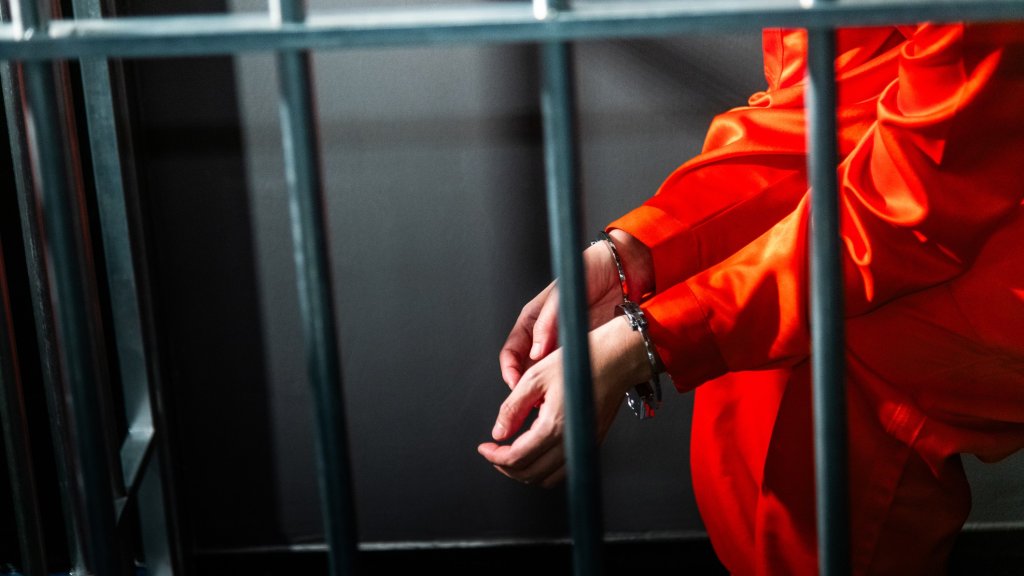
The violent death of a trans woman in a prison in the US state of Hawaii is now the subject of legal proceedings. A grand jury on the island of Oahu has indicted 52-year-old Jason McCormick on a charge of first-degree murder. The accused is already serving two life sentences for previous killings. One of his victims was a cellmate whom he strangled while in prison.
Key points at a glance
- Fatal attack in prison: Denise Foster, a 55-year-old trans woman, was beaten and strangled at the Hālawa Correctional Facility in Hawaii on 4 August.
- Another murder charge: A grand jury has indicted 52-year-old Jason McCormick on a charge of first-degree murder. He is already serving two life sentences.
- Questions over prison placement: Foster was considered a low-security-risk prisoner. Why a high-security prisoner was able to gain access to her remains unexplained.
- Family demands answers: Relatives say they received no explanation of the circumstances of her death. Foster had expected to be released soon.
- Calls for protective measures: Two petitions with more than 300 signatures in total demand better safeguards for trans people and other vulnerable prisoners.
Unanswered questions
The latest victim is 55-year-old Denise Foster. She was held at the Hālawa Correctional Facility, a men's prison in Hawaii. According to the news outlet “Honolulu Civil Beat”, Foster was beaten in her cell on 4 August and then strangled. The case raises questions about security measures within the prison. Foster had been classified as a low-security-risk prisoner. McCormick, by contrast, was considered a high-security prisoner and had already killed a fellow inmate. The responsible prison authorities have yet to explain publicly why the two were nevertheless housed in a way that allowed McCormick access to Foster.
Returning home
At the time of her death, Foster was serving a five-year prison sentence for theft and unauthorised control of a vehicle. According to her niece, Queenair Bulawan, the 55-year-old expected to be released as early as September or October. That never happened. Instead, her family had to learn of their relative's violent death. As Bulawan told “Honolulu Civil Beat”, prison officials had given the bereaved family no information about how the attack could have happened. The family had not been told directly about the charge against McCormick either. They only learnt of it after the grand jury's decision became public. “Since her death, nobody has said anything,” Bulawan explained. “We know nothing.” Her niece also recalled her aunt's personal qualities. Foster had made a particular effort to visit her relatives on holidays and bring them joy. “She always tried to give everyone something,” Bulawan said.
Cellmate strangled
The alleged perpetrator has already been convicted of two previous murders. McCormick received his first life sentence in 2013 for killing university professor Robert Henderson. The crime had taken place in 1996. That sentence allowed for the possibility of eventual release on parole. While still in prison, McCormick committed a second killing. In 2015, he strangled his 21-year-old cellmate, Jonathan Namauleg, at the Saguaro Correctional Center in the US state of Arizona.
McCormick pleaded guilty to first-degree murder in that case. The court imposed another life sentence, to be served consecutively to his existing sentence. Parole was ruled out for this second sentence. Now the 52-year-old faces prosecution for another killing. Hawaii's Attorney General's office confirmed that McCormick remains imprisoned at the Hālawa Correctional Facility. He is being held without bail in connection with the new charge. If he is found guilty of first-degree murder over Denise Foster's death, he faces another life sentence without the possibility of parole.
Failure by the prison authorities?
The two prisoners' different security classifications are a particular focus of the unanswered questions. While Foster was serving a fixed-term sentence for comparatively less serious offences and was considered a low-security-risk prisoner, McCormick had been placed in the highest security category because of his violent crimes. The authorities were also aware of his history. The 52-year-old had already killed another prisoner by strangulation during an earlier period of imprisonment. Nevertheless, according to the available reports, he was able to come into contact with Foster at the Hālawa Correctional Facility. How this was possible, and what specific security measures were in place at the time of the fatal attack, have yet to be explained publicly. This leaves key circumstances unresolved for the family. In particular, they say they still lack an explanation of how the 55-year-old's death could have happened.
Protection for trans prisoners
The case has also sparked a debate about the safety of trans people in prison. Following Foster's death, two online petitions were launched, addressed to officials in the US state of Hawaii. Both initiatives call for additional protective measures for trans prisoners and others who could face an increased risk of violence while in custody. Together, they attracted more than 300 signatures. One of the petitions explicitly demands that prison authorities take a person's gender identity and individual safety needs into account when deciding where to house them. The criticism therefore extends beyond the circumstances of this particular death. It also raises the fundamental question of how prisons can prevent particularly vulnerable prisoners from being exposed to violent fellow inmates.








