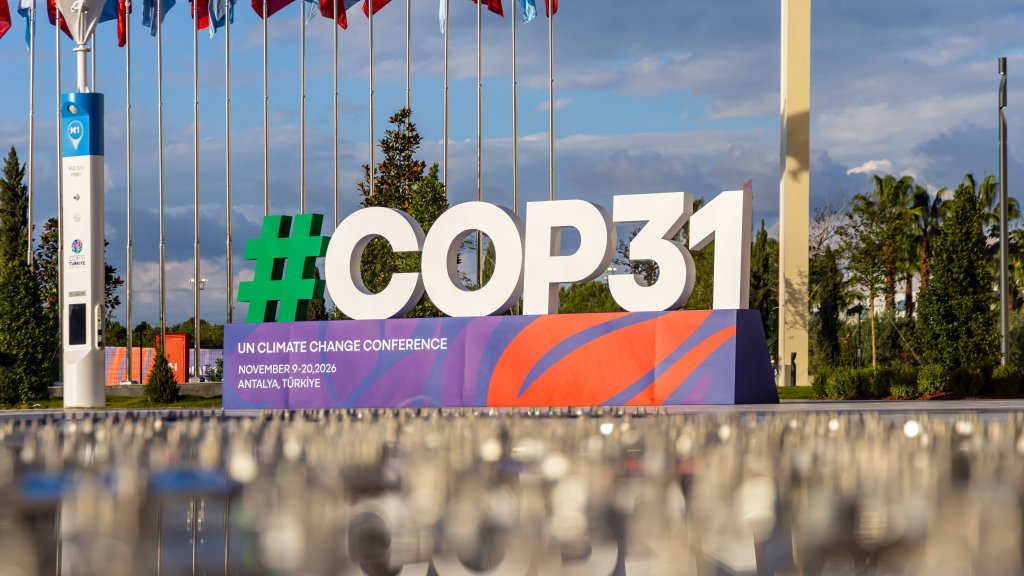
Ahead of the 31st UN Climate Change Conference (COP31), taking place in Turkey from 9 to 20 November, Amnesty International is warning against overlooking the growing human rights crisis in the host country. It says the Turkish government has been conducting a systematic campaign against independent voices for years. Those affected include journalists, environmental activists and, above all, members of the LGBTQ+ community. Amnesty says it has observed a marked intensification of repression in recent months.
Key points at a glance
- The UN Climate Change Conference COP31 takes place in Turkey from 9 to 20 November 2026.
- Amnesty International warns that the human rights crisis in the host country is worsening.
- In September, more than 100 people were arrested in raids targeting organisations and activists working for LGBTQ+ rights.
- The authorities blocked more than 1,000 social media accounts, including Amnesty International Türkiye's account.
- The human rights organisation is calling on the German government and the international community to publicly urge the Turkish government to uphold human rights.
Do not look away
“Anyone talking about protecting our shared future must not ignore the serious human rights violations in the host country,” says Julia Duchrow, Secretary General of Amnesty International in Germany. “While the world watches the climate negotiations, the Turkish government continues to suppress critical voices. But a UN climate conference can only be credible if people can express their views freely and protest peacefully – without discrimination or fear of arbitrary sanctions.”
For years, opposition politicians, journalists and human rights defenders in Turkey have faced politically motivated investigations, prosecutions and unlawful convictions. According to the organisation, the rights to freedom of expression, peaceful assembly and association have been severely restricted in the process. It also says the government disregards international court rulings. Climate and environmental protests are also being criminalised and suppressed. In particular, Turkey has repeatedly targeted gay and queer people since mid-September, carrying out raids and arrests in gay clubs and suppressing demonstrations.
Arrests and blocked accounts
Amnesty reports that the human rights situation has deteriorated further in the run-up to COP31. In particular, Turkey has repeatedly targeted gay and queer people since mid-September, carrying out raids and arrests in gay clubs and suppressing demonstrations. The authorities have also taken action against queer organisations across the country, with numerous activists placed in pre-trial detention. In addition, the Turkish government has blocked more than 1,000 social media accounts belonging to human rights organisations and other independent voices.
Amnesty International Türkiye's X account was among those affected. In October, the authorities also reportedly took control of the opposition television channel Halk TV following a raid. Amnesty regards this as another serious attack on press freedom. Events in June 2026 also give cause for concern: ahead of the NATO summit in Ankara, the authorities imposed blanket bans on demonstrations and arrested hundreds of people. Amnesty therefore fears that the rights to freedom of expression and peaceful protest could face further restrictions during the climate conference too.
Criticism of the host country agreement
Against this backdrop, Amnesty says the agreement between Turkey and the United Nations on hosting COP31 is particularly problematic. The Host Country Agreement requires participants to respect Turkey's regulations and refrain from any interference in its “internal affairs”. In Amnesty's assessment, the agreement could have a chilling effect on activists and journalists. “An effective response to the climate crisis requires people to be able to express their opinions freely, protest, organise and criticise government action. Where civil society is intimidated, the conditions for effective climate and environmental protection are also undermined,” says Duchrow. She also stressed: “As the host country, the Turkish government must ensure that everyone can fully exercise their rights to freedom of expression, peaceful assembly and association.”
Appeal to the German government
Amnesty International is calling on the German government and the international community to raise the human rights situation in Turkey publicly and at the highest political level before and during COP31. It says they must also work to protect human rights defenders, environmental activists, journalists and LGBTQ+ activists. They should press the Turkish government to end systematic human rights violations and the state crackdown on those working to defend human rights.








