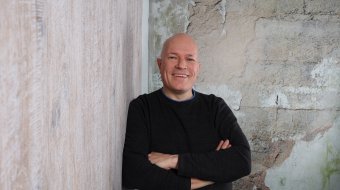
Around the world, many HIV prevention projects are facing cuts at the moment, despite urgent warnings from HIV experts. Rumours also persist about cuts in Hamburg’s forthcoming two-year budget. SCHWULISSIMO spoke to Omer Idrissa Ouedraogo, managing director and board member of Aidshilfe Hamburg.
How do you assess the current situation?
The current situation is very worrying for us. The rumours about possible cuts in the two-year budget are creating considerable uncertainty both internally and externally. Our staff and the people we support are concerned about the future of our services and the impact on healthcare.
What specific consequences would funding cuts have?
Funding cuts would directly affect our advice and prevention services. Our accessible advice services, which support people without access to regular healthcare services, would be particularly at risk. Our prevention projects aimed at at-risk groups would also be severely affected, which could lead to an increase in new infections.
Why would cuts to HIV services be particularly problematic now?
At a time when we are facing an increase in new HIV diagnoses and growing discrimination, racism and stigmatisation of people with HIV/AIDS, it is important to maintain and expand preventive measures and advice services. The funding cuts threaten vital support for the most vulnerable people in our society. Savings would jeopardise not only individual health but public health as a whole. We must stand together and advocate support for everyone!
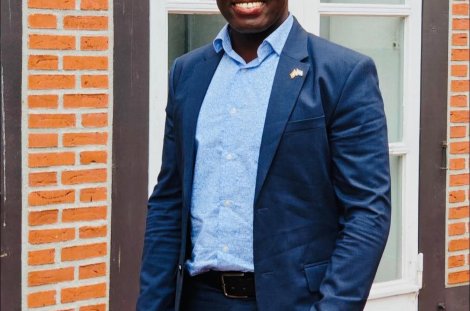
Are there developments that make the case for expansion rather than cuts?
Yes, we are seeing a growing need for advice, particularly among young people, refugees and migrants. New challenges, such as the psychological effects of the pandemic and the social isolation of many people with HIV/AIDS, are also placing greater demands on our services. These developments clearly make the case for expanding our services.
How would cuts be felt in everyday life?
Cuts would mean longer waiting times for advice, fewer prevention measures and reduced access to support services. People who urgently need support would have less access to the necessary information and help, which could increase the risk of infection.
What might people who have never been in contact with Aidshilfe underestimate?
Many people underestimate the importance of our work for the health and wellbeing of people with HIV and other sexually transmitted infections. Our services are not only life-saving but also important for the social inclusion and empowerment of people with HIV/AIDS.
What message would you like to send to those responsible?
We ask decision-makers to take the importance of HIV prevention and advice seriously and provide the funding needed to safeguard the work of organisations such as Aidshilfe Hamburg e.V. and Landesarbeitsgemeinschaft Aids Hamburg (LAG). Investment in our services is investment in the health of society as a whole. Let us work together to ensure that no one is left behind. Health is a fundamental right – no cut should jeopardise the right to support and prevention.
Omer Idrissa, thank you very much for speaking to us.