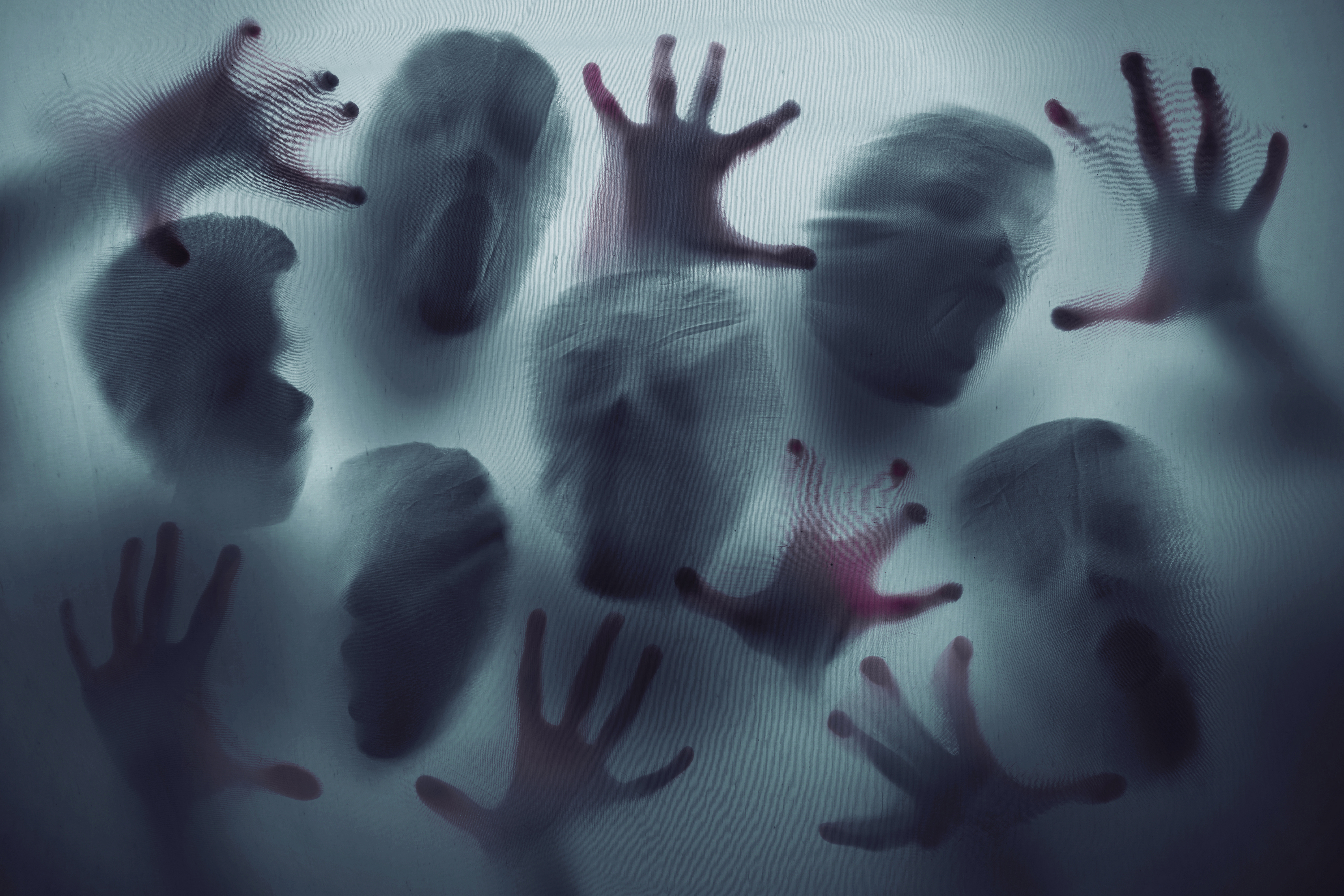
A dark room. Footsteps behind a door. A shadow moves. Suddenly, a scream – and for a moment, your heart races. Then the lights come on: laughter, relief. Halloween thrives on an apparent contradiction: people voluntarily seek out something they would normally want to avoid – fear. But why do we do this? Part of the answer is that fear is not simply an unpleasant feeling. First and foremost, it is a highly developed warning and protection system. When the brain detects a threat, it primes our attention and body for a rapid response. Depending on the situation, we may flee, fight or freeze. These reactions are among the basic defence mechanisms that research suggests serve our survival. Fear, then, is not necessarily there to torment us. It is there to help us cope with a situation.
The American Psychological Association distinguishes between fear and anxiety: fear tends to focus on a specific, immediate threat and is short-lived. Anxiety focuses more on an anticipated or less tangible danger and can last longer. This distinction is particularly important when discussing why people enjoy being frightened at Halloween. Someone watching a horror film usually knows: the threat on the screen cannot hurt me. Someone startled on a ghost train knows: there is no real monster waiting around the corner. Yet the body can still react. Heart rate and attention change, and the body is activated. At the same time, we can recognise the situation as safe. Fear and enjoyment can therefore exist side by side.
A field study in a so-called haunted house involving 110 participants examined precisely this phenomenon. The researchers found that the relationship between fear and enjoyment followed an inverted U-shaped curve: too little fear was not very exciting, while too much fear was also less enjoyable. A moderate level of arousal apparently felt particularly positive.
Another study of adults who voluntarily visited an extreme horror attraction found that self-reported mood improved after the experience, particularly among people who had felt tired, bored or stressed beforehand.
However, this does not mean that fear is inherently healthy or even necessary. The situation, intensity and degree of control are crucial. Voluntary fear in a safe environment is different from a threat to which someone is genuinely exposed.
A warning signal with limits
Fear has another important function: it can draw our attention to a problem. Research into human fear systems describes both rapid responses to immediate dangers and slower processes in which risks are assessed and actions planned. The brain can therefore do more than react reflexively; it can also weigh things up: what is happening here? How dangerous is it? What can I do?
This can give rise to a genuinely positive force. Someone afraid of a particular situation may become more cautious. Someone who recognises that something is wrong may seek support. Someone who feels threatened may set boundaries or leave a place. Fear can thus be a signal that prompts action.
However, we must not conclude from this that fear or suffering automatically makes people stronger. That would not be scientifically defensible. Persistent or overwhelming fear can instead cause psychological distress and illness. Research into fear and defensive responses shows that, after distressing events, people can also remain trapped in recurring patterns of reaction.
When exclusion shapes everyday life
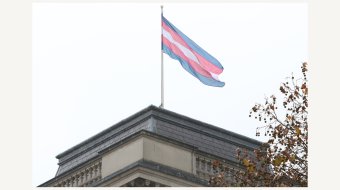
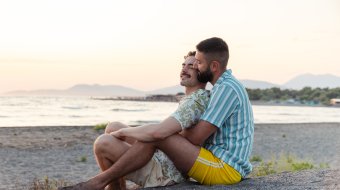
For gay and queer people, this issue takes on a particular dimension. For a gay teenager, the fear of rejection can be very concrete: how will my parents react? What will happen at school? Can I hold my boyfriend’s hand in public? Will someone insult me? Do I have to hide? For a lesbian woman, the question may be whether she can refer to her partner as her partner at work as a matter of course. For trans people, there may also be fears of exclusion, discrimination or violence.
Researchers refer to this as minority stress. This means the strains that can arise from stigmatisation, prejudice, discrimination and the expectation of rejection. A systematic review of research on queer people in Europe found an association between such stressors and poorer mental health. Discrimination was identified as a particularly frequently documented risk factor. A systematic review of microaggressions against LGBTQ+ people also concluded that these experiences can be associated with psychological distress, including anxiety and depression.
This is a crucial difference from Halloween fear: when watching a horror film, I can switch off the television. When facing real discrimination, I cannot always escape the situation so easily.
Fear can offer short-term protection. It becomes problematic when the body and mind remain constantly on alert for a possible threat. This can lead to heightened vigilance, particularly among people who have repeatedly experienced discrimination. Someone who has been insulted, threatened or excluded before may have to assess a new situation differently from someone who has never had such experiences. For a growing number of LGBTQ+ people, daily fear is part of everyday life when they leave home – an underlying, persistent sense of possible threat or danger.
At the same time, however, research into minority stress also shows that LGBTQ+ people should not be seen solely as victims of these pressures. It explicitly examines protective factors and resilience too. These include social support, self-esteem, pride in one’s identity and experiences that affirm that identity. Social support and connection with others can also play an important role.
Community can offer protection
So can fear make us strong? Yes – but with an important qualification. Fear itself is not automatically a positive force. What matters is how people are able to respond to a threatening situation and what resources they have available. Fear can raise awareness. It can prompt people to take dangers seriously, seek help or set boundaries. It can also lead people to come together.
This idea is particularly evident in LGBTQ+ history: experiences of being unsafe or not accepted have given rise, and continue to give rise, to communities, advice services, safe spaces and political movements. This does not mean that discrimination serves a positive purpose. Rather, people can draw on difficult experiences to develop structures that offer protection and support.
Research into LGBTQ+ resilience describes precisely these protective mechanisms: social support, positive relationships, self-acceptance and community resources can mitigate the effects of minority stress. Perhaps we need fear – but not more of it.
Getting home safely at the end
Fear is part of being human. Without it, we would be less able to recognise dangers and might react too late. Our evolved defence system is geared towards detecting threats and initiating appropriate responses. But fear is not a virtue in itself. It should not be romanticised – especially when it stems from discrimination or violence.
Halloween, by contrast, allows us to play with this emotion. We can let ourselves be frightened even though we know the danger is only staged. We experience a pounding heart and tension – followed by relief. Studies even show that experiencing fright together can affect social closeness; a recent study found greater physiological synchronisation among people visiting horror attractions together, particularly those who were already close.
Perhaps this is precisely what makes Halloween so fascinating: for a few hours, we can experience fear without being at its mercy. We put on a costume, walk through the darkness, jump at the next sound – and at some point realise: it is only a game.
For people who genuinely have to fear rejection, discrimination or violence in everyday life, this distinction is crucial. Halloween therefore reminds us not only why we enjoy being scared. It can also remind us why it is so important that fear in real life does not become a permanent state. Because perhaps the best version of fear is the kind after which we can laugh again, switch on the lights – and go home safely.