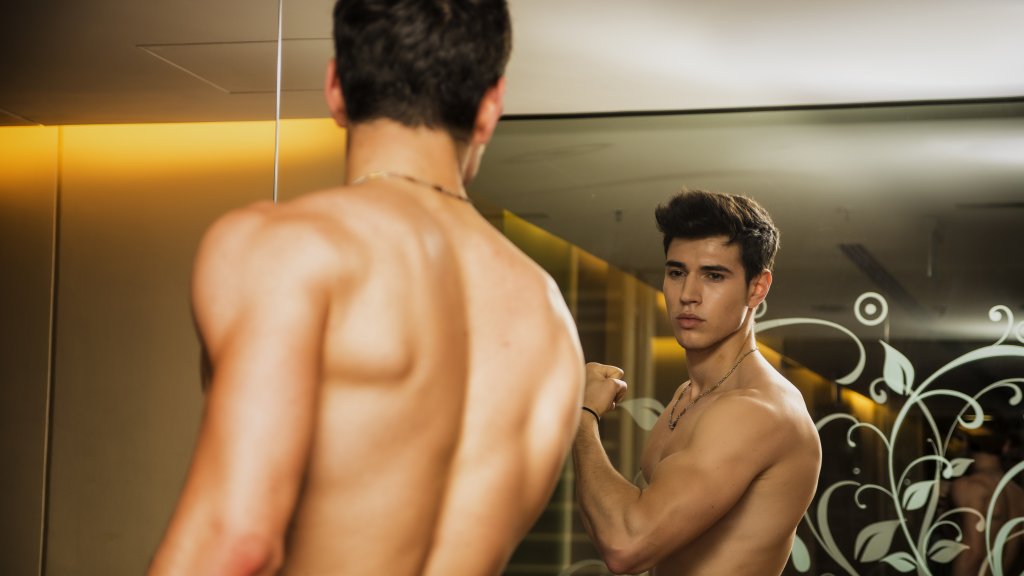
It usually starts innocently enough. You buy a gym membership. Perhaps even one that costs more than your health insurance. You resolve to go regularly, eat more healthily and finally make that one muscle visible — the one you have only ever seen in anatomical drawings. November is the perfect month to get properly started, right? Three months later, you know the protein shake menu better than the menu at your favourite restaurant. And at some point you stand in front of the mirror and think: actually, those shoulders could be a little broader. Welcome to the gay body optimisation programme.
Dating apps and digital comparison
For gay men, their own body is often more than just a body. It is identity, expression, sexual capital — and sometimes a kind of job application. That is an exaggeration, of course. But anyone who has ever opened a dating app knows that photos play a pretty central role. Face, torso, stomach, arms, beard, hair: within a few seconds, an impression forms of whether someone is considered attractive. The rules are surprisingly clear. A little muscular? Good. Very muscular? Also good. A beard? Cannot hurt. Looking young? Even better. Well groomed? Naturally. And if you also look as though you have just spontaneously climbed a mountain, read a novel and done three hours of yoga, your dating profile should finally be competitive. Of course, these expectations do not reflect the reality of all gay men. But they are visible. And visibility invites comparison.
The problem with social media is not necessarily that it features beautiful men. The problem is that it features almost nothing but beautiful moments in the lives of beautiful men. The perfect beach. The perfect light. The perfect torso. The perfect pair of underpants that just happens to look fresh from the tumble dryer.
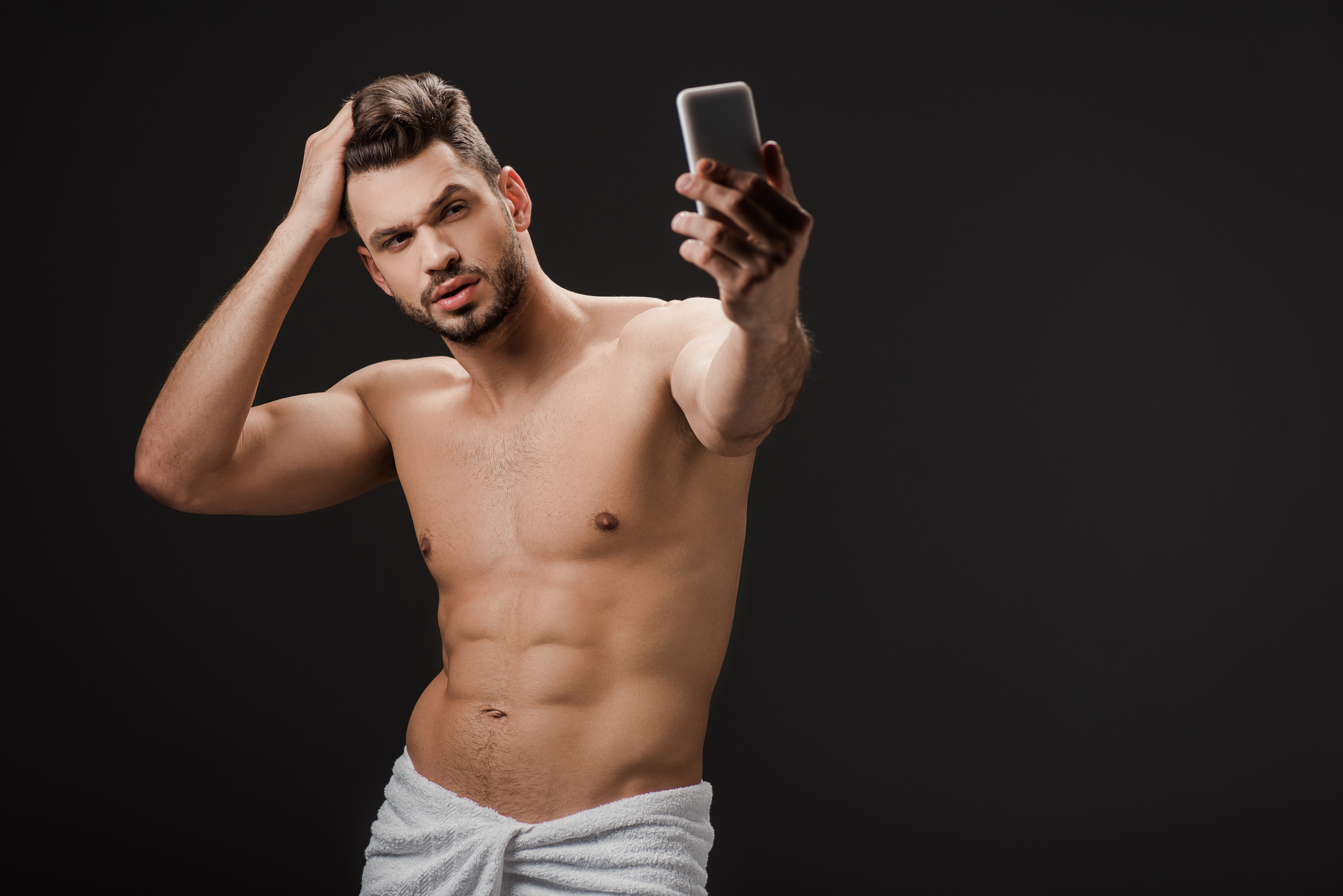
What you do not see: the bad day, the pizza the night before, the five failed attempts at the photo and the ten minutes someone spent in front of the mirror working out which angle made their stomach look least like a stomach.
The digital body is therefore often an optimised version of the real body. And it is this optimised version we compare ourselves with. That is rather like comparing your own holiday with the best 25 photos from the holidays of 40 other people. Of course you lose.
Diversity and the feeling of not being good enough
What is particularly interesting is that beauty ideals within the gay community have certainly changed. The classic muscular body has long ceased to be the only ideal. Beards, body hair, different body shapes and different representations of age have become more visible. There are bears, twinks, daddies, muscle guys, slim men, stocky men and men who find all these categories about as useful as a washing machine instruction manual.
That is actually a positive development. Because the more different bodies become visible, the harder it is to speak of a single gay body type. Yet the pressure remains. Because even diversity can become another achievement to strive for. Now you are not just supposed to look good. You are supposed to feel confident in your body. Ideally, authentically so. But photogenically, please. And preferably in a way that looks as though you are making no effort at all.
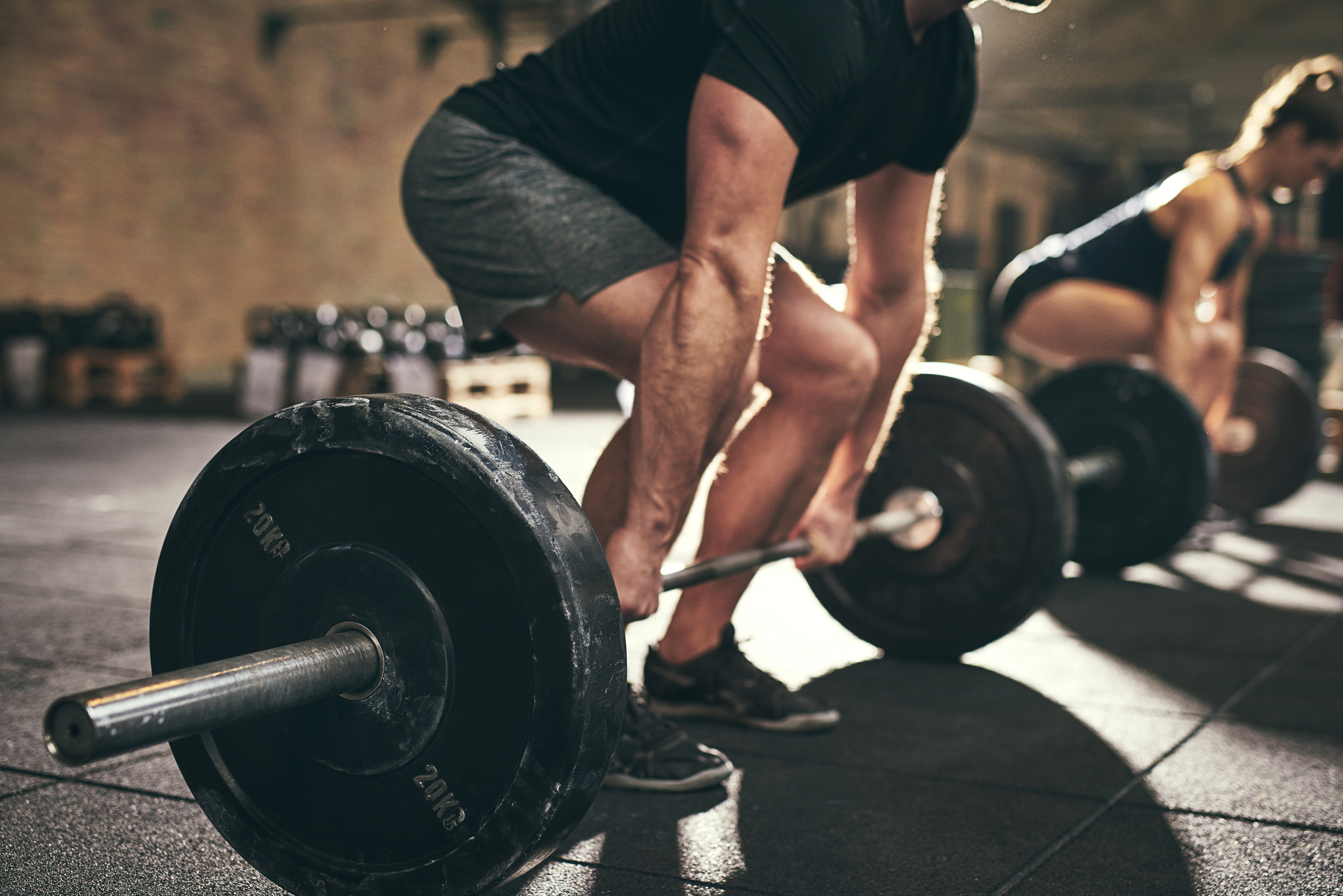
For many men, exercise is something enjoyable. Movement feels good, strength training is fun and a fit body can certainly boost confidence. It only becomes a problem when “I want to feel good” turns into a permanent “I am still not good enough”. Then the gym quickly becomes a second dating app. You walk in and automatically scan your surroundings. Who is training what? Who is wearing what? Who looks better? And why can the guy next to me bench-press 120 kilograms while I am struggling to unscrew a water bottle?
The body becomes a project. Bigger chest. Smaller stomach. More defined arms. Thicker hair. Smoother skin. Looking younger. Eventually, you become so busy creating the perfect body that you forget you already have one. And then there is age. For gay men, getting older can be a particular challenge.
Ageing, desire and how we see ourselves
A community in which youth and physical attractiveness are sometimes given enormous emphasis can leave you feeling that your worth diminishes a little with every birthday. At 25, you are young. At 30, “still young”. At 35, you receive compliments such as: “You look really good for your age.” A sentence that is probably well meant, but has roughly the same emotional impact as a politely delivered parking ticket.
Yet bodies simply do change. Skin changes. Muscles change. Hair changes. At some point, your metabolism develops a personal grudge against carbohydrates. That is not a gay defeat. That is biology. And perhaps it is time to stop judging bodies solely by how well they meet a particular beauty standard.
The pressure surrounding bodies becomes particularly apparent when it comes to sexuality. Anyone who wants to feel desired can easily get the impression that they first have to provide a body that is desirable. This can lead men to pay more attention to their own body during sex than to the person they are having sex with. Is my stomach showing? What do I look like from behind? Is the lighting good? Can he see my problem area?
A remarkable achievement: you are in bed with an attractive man, thinking about your own stomach. Yet sex should really be one of those places and moments when the body does not have to be judged. It is allowed to sweat, tremble, breathe, laugh, make noises and do things that are definitely not suitable for Instagram. Perhaps that is precisely its strength.
When is it enough?
Of course, nobody is going to wake up one morning and decide: “From today, I am completely immune to beauty ideals.” That is not how it works. We are allowed to want to be attractive. We are allowed to work out. We are allowed to wear make-up, shave, dye our hair or take pleasure in a newly developed biceps. The only question is: who decides when it is enough?
Perhaps our own body does not have to be a project that will eventually be completed. Perhaps it is enough that it works. That it carries us through everyday life. That it feels pleasure. That it dances. That it hugs someone. That it has sex. That it gets ill and recovers. And that, eventually, it gets older. That sounds less spectacular than a perfect Instagram body. But it is probably considerably more sustainable.
Because ultimately, gay men are not just looking for the right body. They are looking for people they find attractive. For people they want to touch. For people they feel safe with. And sometimes — perhaps most importantly — for a reflection they can eventually make peace with.
After all, the perfect body makes a pretty poor life partner. It constantly demands attention, is never finished and is guaranteed not to reply to messages. Your own body, on the other hand, stays. Even after the gym. Even after the last date. And hopefully long after the last Instagram photo.