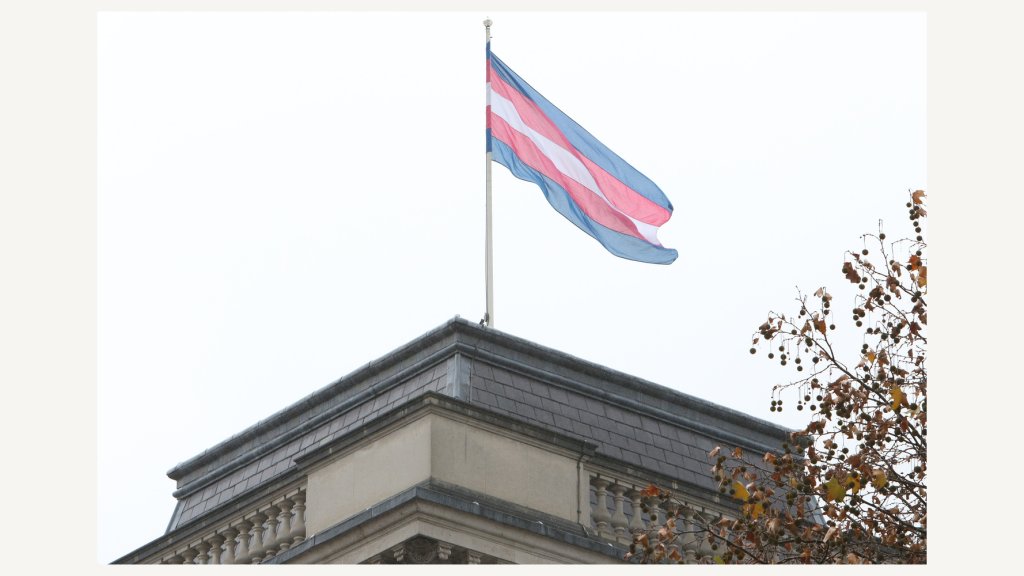
The new first name is finally on the identity card. But who else will find out what someone used to be called and what their previous registered gender was? In Baden-Württemberg, this has become a dispute that goes far beyond forms. After months of protest, the state's interior ministry has announced a correction to the registration regulations. For LGBTQ+ organisations, this is a success. But it does not settle the question: how much of someone's personal past may the state store and automatically pass on?
The trigger was an amendment to the state regulations, with the disputed data transfer scheduled for 1 November. Previous first names and previous registered genders were also to be passed to police authorities. Queere Netzwerk Baden-Württemberg warned against sharing highly sensitive information without sufficient grounds. Behind the technical rule lies a very concrete concern: people who have their civil status amended want to decide for themselves who can see their gender history. An administrative procedure can undermine that choice long after the new documents have been issued.
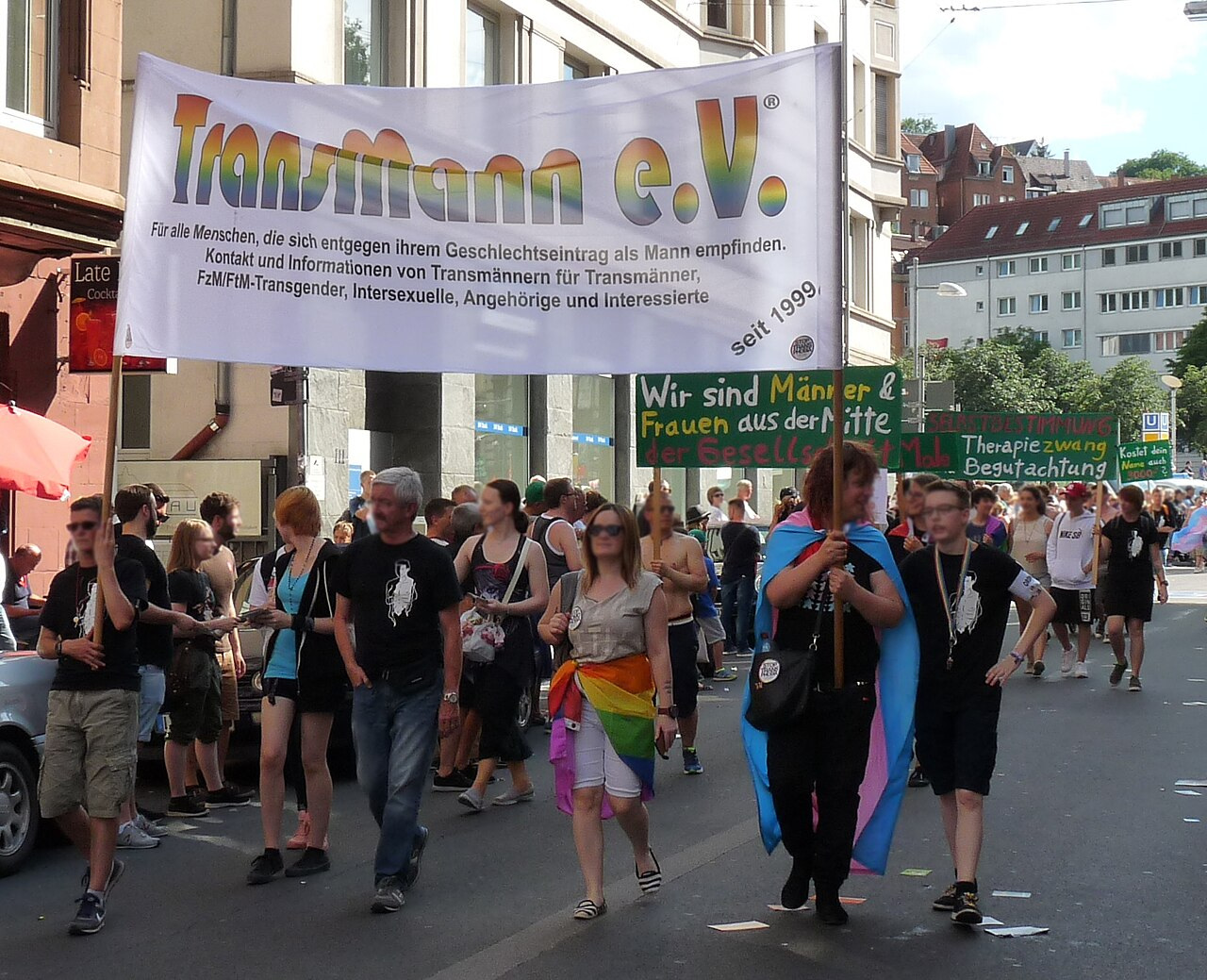
The petition against the amendment showed how strongly the issue mobilised people. According to the Queere Netzwerk, it reached the required 10,000 signatures within three days. Actions were announced for late October and early November in places including Stuttgart, Heidelberg, Offenburg, Ulm and Oftersheim. In Stuttgart's Rotebühlplatz, Mission Trans* and the network jointly called for a protest. The dispute thus brought together large cities and smaller towns. Data protection became a cause publicly championed by people whose private lives should precisely not become public.
State Interior Minister Manuel Hagel relented in late October. Under the plans he outlined to broadcaster SWR, changes to registered gender will no longer be transmitted automatically. However, the ministry intends to have name changes passed on as a general rule, regardless of whether they result, for example, from marriage or a change under the Self-Determination Act. Hagel justifies keeping the information up to date as a way of reliably identifying people, for example during police searches. The conflict therefore also concerns the scope of the state's security interests: which data are actually necessary for that purpose, and what additional information do they convey?

The distinction between an announcement and the procedure currently in force is crucial. On 12 November, LSVD⁺ said it was still unclear when the correction would take effect. Until then, the existing legal position would apply; neither name nor gender changes would be passed to the police during this interim period. The news brings relief, but is not conclusive evidence that a new arrangement has already been fully implemented. This timeline matters particularly because earlier reports were still warning that data sharing was imminent.

The legal background makes the debate particularly sensitive. Section 13 of the Self-Determination Act prohibits the disclosure of, and inquiries into, previous registered genders and first names. However, this is not without exceptions: the Act cites, among other things, necessary data processing by public bodies under other legislation and specific grounds of public interest. The mere existence of this protective provision therefore does not answer every question about the flow of information between authorities. Equally, it cannot be read as blanket permission to distribute all previous details as widely as possible as a precaution. The protection and its exceptions must be read together.
A second issue lies at federal level. The Queere Netzwerk points to additional fields in the standardised nationwide registration dataset introduced in April 2025: previous registered gender, date of change, and the responsible authority and file reference. Storage in the register and automatic transmission to the police are separate processes. Even if Baden-Württemberg restricts sharing, the stored information will not automatically disappear. The organisations are therefore also calling for a review of the underlying data held. Their concern is that such details could allow people to be specifically identified on the basis of a previous change, even if the information is handled responsibly today.

This is not about deleting a previous identity from every file or preventing criminal prosecution as a matter of principle. What is disputed is precautionary transmission without a specific individual case. Public participation in a Pride event answers this question no more than coming out privately does: visibility in a context of one's own choosing does not mean consenting to personal details circulating through official data channels. People who live openly also retain an interest in this.
For south-western Germany, a political task therefore remains after the partial success that has been announced. Clear new rules must show which details are transmitted and when, and how previous first names remain protected. They, too, can allow inferences about a transition. The community has succeeded in bringing a seemingly unremarkable administrative issue into public debate. Whether this produces reliable protection now depends on implementation and the continuing debate about the registers themselves. Self-determination does not end with a new identity card. It also concerns the traces left by the old one.