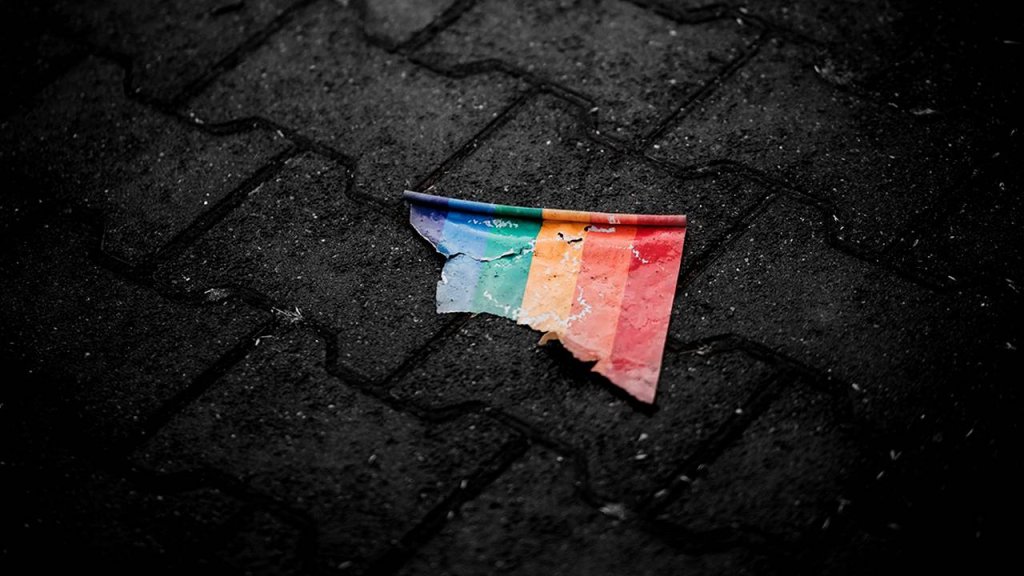
More than half of all Christopher Street Day (CSD) Pride events in Germany were affected by attacks or disruption in 2026, according to the Amadeu Antonio Stiftung. The foundation documented at least 156 such incidents across a total of 299 CSD events. The number of recorded physical attacks on participants rose particularly sharply. Against this backdrop, the international LGBTQ+ organisation All Out and the Amadeu Antonio Stiftung are now calling for concrete action from Germany’s federal and state governments
Key points at a glance
- More than half affected: According to the Amadeu Antonio Stiftung, at least 156 of Germany’s 299 Christopher Street Day (CSD) Pride events were attacked or disrupted in 2026.
- More physical violence: The number of recorded physical attacks on CSD participants rose from four in the previous year to at least 19.
- High security costs: Small, volunteer-run CSD events in particular are under pressure from rising costs and uncertain funding.
- Petition to interior ministers: All Out and the Amadeu Antonio Stiftung are calling for better protection, consistent recording of attacks and reliable funding.
- Conference of Interior Ministers in December: The signatures are to be handed to its chair, Andy Grote, before the conference on 2–4 December.
Call to interior ministers
The organisations are now petitioning the interior ministers and senators of Germany’s federal states, as well as Federal Interior Minister Alexander Dobrindt (CSU). The appeal is addressed to the chair of the Conference of Interior Ministers, Hamburg’s Interior Senator Andy Grote. The signatures are to be handed to him before the next conference begins, which takes place from 2 to 4 December. The demands are based on the Amadeu Antonio Stiftung’s incident record. According to this record, at least 156 of Germany’s total of 299 CSD events were attacked or disrupted in 2026. This amounts to just over 52 per cent of events.
The foundation also records a sharp rise in physical violence. While four physical attacks on CSD participants were recorded in the previous year, there were at least 19 in 2026. The documented number has therefore more than quadrupled. These figures refer to recorded incidents. It therefore remains unclear exactly how many attacks actually took place in total and how many people were injured – a high number of unreported incidents is suspected. The organisations see this development as a serious threat to the staging of future CSD events. Alongside direct violence and intimidation, they say rising security costs and uncertain funding opportunities are also making it harder to organise the demonstrations.
Small CSD events under pressure
All Out and the Amadeu Antonio Stiftung believe that CSD events in small towns and rural areas are particularly dependent on support. They say these events are often organised by volunteer initiatives with limited financial resources and personnel. CSD events are not merely public events, they argue, but also important spaces for LGBTQ+ visibility and political demands for equal rights. Particularly outside major cities, they can create spaces where LGBTQ+ people can come together publicly and advocate for their concerns. The organisations fear that events could be cancelled in future if those responsible can no longer afford security measures or feel unable to cope with the prospect of attacks. In their appeal, they state: “No CSD event should be prevented from going ahead by threats, a lack of support or unaffordable security costs.”
Protection and recognition
The petition sets out four central demands to the Conference of Interior Ministers. The first is protection tailored to the needs of the events. Police and the relevant authorities should agree security plans with the respective CSD organisers at an early stage. These must take account of specific local risks. The organisations explicitly demand that spontaneous counter-mobilisations and potential threats to participants travelling to and from events also be considered. Security, they argue, must not be limited to the demonstration site itself. At the same time, organisers’ experiences and wishes should be taken into account. This also applies to the question of how visible the police presence should be during a CSD event.
Another focus is the legal recognition of CSD events as political assemblies. All Out and the Amadeu Antonio Stiftung stress that political concerns at CSD events are not conveyed solely through speeches or traditional forms of demonstration. Music, drag performances and other artistic performances are also expressions of political demands and part of LGBTQ+ people’s public visibility, they say. The organisations therefore demand that such elements of the programme must not be used to call an event’s status as an assembly into question. Recognition as a political assembly must also extend to rallies where political messages are conveyed through art and cultural performances. Furthermore, necessary security measures must not become an unaffordable financial burden for organisers. Otherwise, small initiatives in particular could struggle to continue staging their CSD events.
Criminal offences and funding
As a third measure, the organisations demand consistent nationwide recording and analysis of anti-LGBTQ+ attacks connected with CSD events. Such offences must be documented as politically motivated crime, even if the perpetrators do not belong to an organised extremist group. In the petition organisers’ view, it is not enough simply to record attacks in general terms. Statistical analysis must explicitly identify which offences are connected with CSD events. The findings should then be taken into account when developing future security plans. The aim, they say, is to improve threat assessments and enable appropriate protective measures to be prepared at an early stage.
The fourth set of demands concerns financial and organisational support for CSD organisers. The two associations demand that the initiatives’ work be recognised as a contribution to strengthening democracy. They say CSD events enable LGBTQ+ people to participate in public life and make political demands visible. The interior ministers should therefore advocate accessible and reliable funding opportunities. These should cover not only the staging of the events themselves, but also the initiatives’ security and educational work. In the organisations’ view, small CSD events, which are predominantly volunteer-run, need particular support. Without funding that allows long-term planning, rising costs and organisational demands could threaten their existence.








