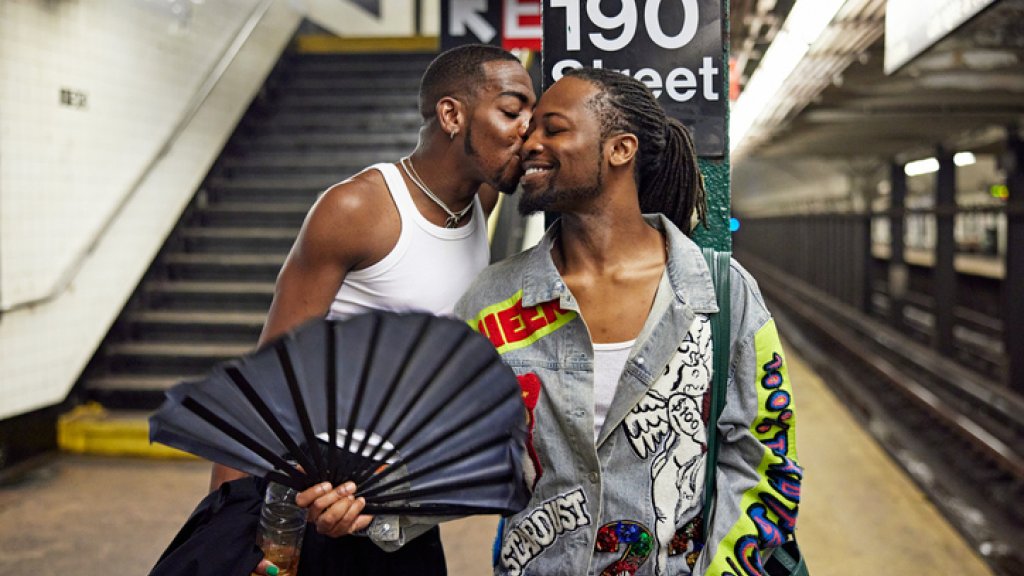
For queer singles in New York City, the search for a committed relationship is becoming increasingly challenging. A recent personal account by Alexander Cheves, a multiple award-winning author and columnist, describes how the abundance of options and the anonymity of big-city life have made finding love harder for many gay men. This demonstrates how strongly people's living environment and social dynamics influence their relationships. Cheves, who is himself gay, writes about art, culture, sex and queer masculinity.
Key points at a glance
- New York City is still considered a magnet for queer life, but many singles find the search for a partner arduous.
- A wide range of options and high mobility in big cities contribute to frequent relationship difficulties and short-lived connections.
- Personal experiences show that the lack of commitment often leaves singles frustrated and exhausted.
- Experts confirm that heterosexual people face similar obstacles when looking for a partner in major cities.
- The decision to enter a committed relationship often carries a different weight in an urban setting than in rural areas.
Urban and rural differences: relationships compared
In his account for Out Magazine, Alexander Cheves explains that the reasons for relationship problems in New York City have less to do with the sheer number of potential partners than with the motivations of many big-city residents. People who move to major cities often seek exciting experiences, career opportunities or a vibrant social life. Their willingness to commit to a relationship is often lower than in smaller communities, where commitment and putting down roots seem more important to many people. As Cheves reports, this makes relationships in urban areas diverse, but also fast-moving and frequently unstable.
Psychological and social factors in the big-city search for love
A study by the Pew Research Center in the United States confirms that singles in big cities – regardless of sexual orientation – more frequently report disappointment, ghosting and a so-called “overabundance” of options. According to researchers, the rapid succession of dates and encounters makes it harder for deep bonds to develop. Many therefore experience the search for a partner as a “Trial by Fire”: after numerous setbacks, their appreciation of a successful, committed relationship is all the greater. Cheves stresses, however, that choosing one person amid the anonymous bustle of a big city is a particularly strong signal of commitment.
Practical implications for queer singles in major cities
For many of those affected in New York and in European cities such as Berlin, this means that patience and perseverance are needed to find a stable relationship. Advice services and online communities are also seeing a growing need for advice on loneliness and finding a relationship in big cities. One thing is clear: although big cities offer a wealth of possibilities, finding gay love in major cities remains a challenge with particular obstacles – and a special value when it succeeds.
A concrete next step: new services from queer advice providers and new events are increasingly focusing on face-to-face encounters and ongoing support to help singles build lasting relationships in big cities.