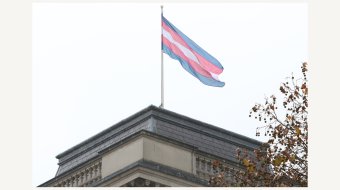
Pride Month puts the LGBTQ+ community in the spotlight and highlights how important it is to challenge prejudice and take diversity seriously. Many companies show their support during this time – for example, by donating to LGBTQ+ organisations or changing their logo. But once the rainbow look loses its shine, some quickly lose their commitment to inclusion too. Employees and customers are increasingly unimpressed by this. They do not want appearances, but genuine commitment and a credible stance.
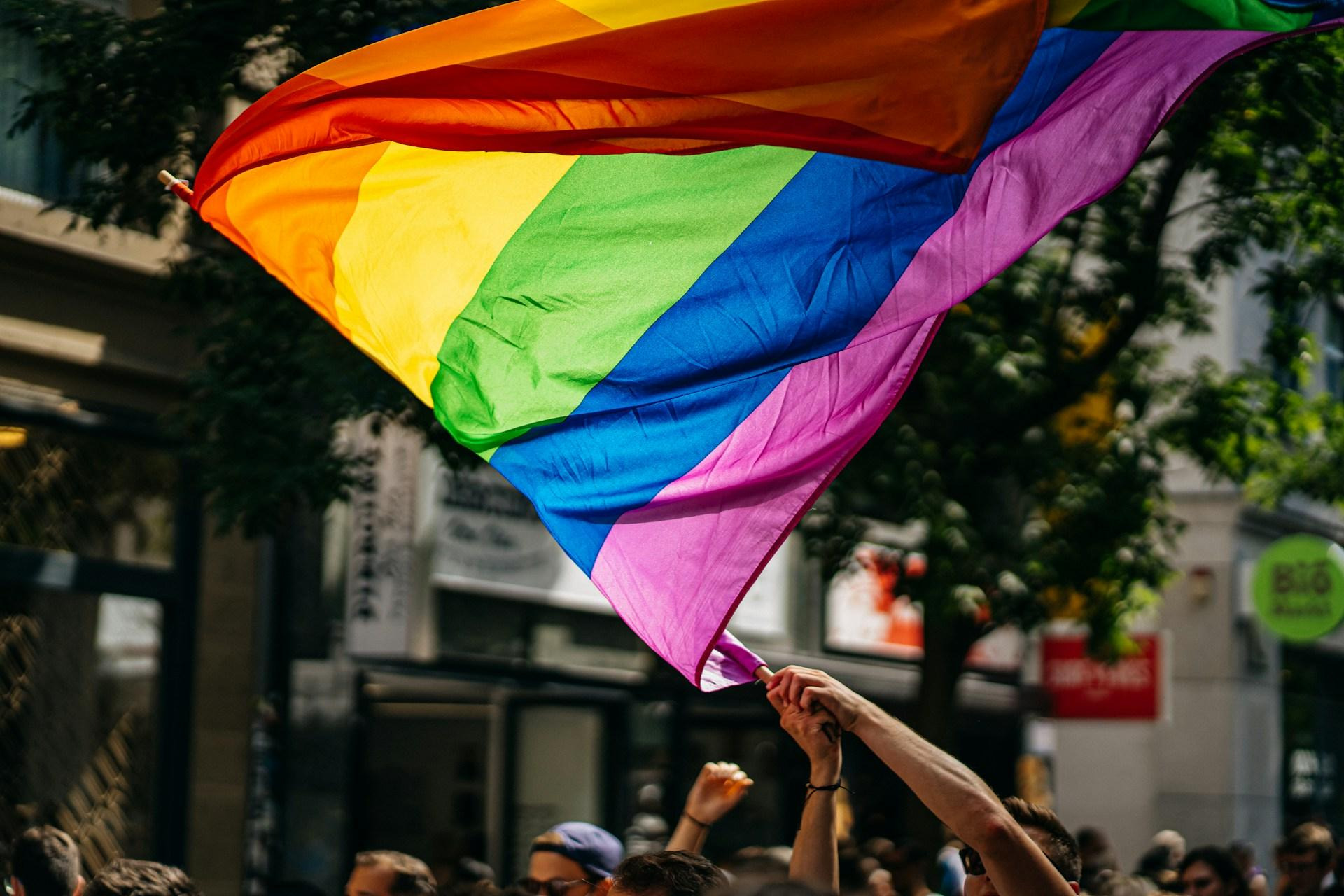
What does pinkwashing mean?
The term pinkwashing was originally coined by the US organisation Breast Cancer Action (BCA). It described companies that marketed products featuring the pink ribbon (the symbol of breast cancer awareness) without providing any significant support for cancer research. They capitalised on the campaign’s positive image, while their actual contribution was often small or non-existent.
The term was later applied to other areas. Some activists, for example, used pinkwashing to criticise Israel’s public communications. In their view, its comparatively progressive stance towards LGBTQ+ people was highlighted internationally to push other political conflicts into the background.
Today, the term is often used in connection with companies that actively promote themselves with rainbow symbols and LGBTQ+ messages during Pride Month. In practice, however, they offer no other concrete form of support. They may even endorse political positions or measures that harm the LGBTQ+ community.
Why companies opt for symbolism rather than action
Some brands use Pride Month less as a genuine opportunity and more as a marketing tool. A rainbow in the logo? Of course: it immediately attracts attention and gives the company a modern look. When diversity and inclusion are highly valued, companies can use this to target new groups.
But if no real action follows, it can quickly backfire. People notice. Then things take a turn: employees and customers lose trust. Possible negative consequences of pinkwashing include:
- loss of trust among employees and customers
- accusations of exploiting the LGBTQ+ community
- damage to credibility and brand image
- growing cynicism towards credible diversity initiatives
- negative public reactions and criticism on social media
That is why it is worth recognising the difference between genuine loyalty and mere advertising or bonus offers. This principle applies not only to inclusion initiatives, but also to other areas, such as online casinos. New customers at Mr Bet with no deposit, for example, get the chance to try selected games initially without risking their own money. Before registering, however, it is advisable to consider independent expert opinions. This makes it easier to distinguish reputable offers from less transparent ones.
Inclusive workplace policies
Credible LGBTQ+ allyship begins with clear policies that protect all employees and treat them equally. These include, for example:
- binding anti-discrimination rules
- transparent complaints procedures
- fair recruitment and promotion processes
- benefits that take different life circumstances into account
If a company displays rainbow colours during Pride Month but publishes no verifiable information about such activities, it is worth taking a closer look. Siemens takes a different approach: it has had an internal Pride network since 2011, launched in Braunschweig and now with more than 1,400 members. Through this, Siemens actively brings LGBTQ+ employees and allies together.
Leadership responsibility
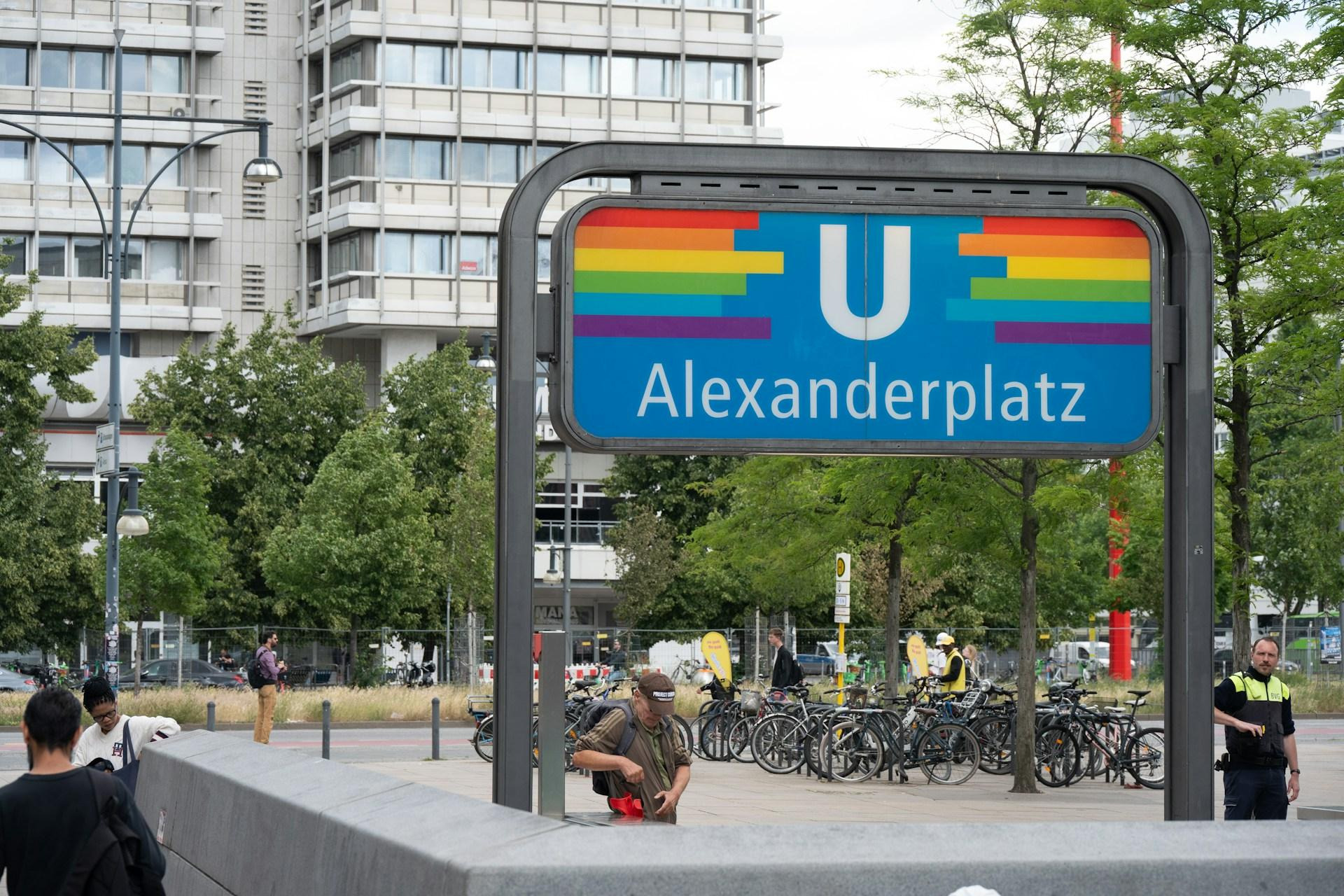
Leadership responsibility is one of the most important criteria in the UHLALA Group’s PRIDE Index. This looks at whether CEOs and senior managers personally champion LGBTQ+ initiatives. Deutsche Bank, for example, shows what this can look like: board members and executives are actively involved in dbPride and visibly show their support during Pride Month. This makes it clear that inclusion is put into practice rather than remaining just a nice slogan on paper.
An inclusive corporate culture
An inclusive corporate culture is reflected in everyday working life. Employees should feel safe regardless of their sexual orientation or gender identity. It helps to have LGBTQ+ networks that genuinely make a difference, inclusive language as the norm, and regular training for managers and teams. Even more important is an environment where discriminatory remarks simply have no place and those affected know they will be heard and taken seriously.
Psychological safety means that nobody has to hide their identity. Anyone asking questions, putting forward new ideas or talking about their own experiences should not fear being disadvantaged. Ultimately, what matters is that respect and openness are not just words on posters, but are put into practice every day. Only then can an environment emerge in which everyone truly feels valued over the long term.
Transparency and accountability
Companies that take LGBTQ+ inclusion seriously should clearly explain what they stand for and how they put that stance into practice in their daily work. This also means speaking openly about their own goals and progress towards them, rather than simply communicating positive messages externally. If promises are not kept, the company should also acknowledge this openly and take responsibility.
For many larger companies, this openness is also becoming more important from a regulatory perspective. Under the Corporate Sustainability Reporting Directive (CSRD), they must report on material social sustainability issues. These include measures to promote equal opportunities, how they address discrimination, and information on how employees are protected and involved in decision-making processes. Verifiable DEI reporting makes this commitment more measurable and can help counter accusations of pinkwashing.
Clear communication and transparency are fundamental prerequisites for trust. This applies, for example, to digital services where users rely on information from the provider. Anyone using a bonus should be able to understand the conditions beforehand. With the Fieryplay Bonus Code, for example, an offer can be used without a prior deposit, with the associated requirements explained clearly and comprehensibly. This provides a reliable basis for an informed decision. Unclear or hidden conditions, by contrast, can lead to unexpected restrictions later on.
How to recognise pinkwashing
The following signs may indicate that a company’s support primarily serves marketing purposes:
Warning sign & What to look out for
Missing information - The company publishes no specific details about policies, goals or progress.
Symbolism rather than action - Rainbow logos or Pride products take centre stage, while concrete changes fail to materialise.
Contradictory behaviour - Public messages do not match political donations or business decisions.
No support for employees - There are no points of contact, networks or identifiable measures for LGBTQ+ employees.
Criticism is ignored - The company responds evasively, or not at all, to legitimate questions and criticism.
A single warning sign does not automatically mean that a company is engaging in pinkwashing. But if several of these signs accumulate, it is worth examining its actual commitment more closely.
LGBTQ+ inclusion in Germany
In legal terms, queer life in the workplace in Germany is protected by the General Act on Equal Treatment (AGG), which expressly prohibits discrimination on the grounds of sexual identity: from recruitment procedures and promotions to dismissals. This framework is complemented by voluntary initiatives such as the Charta der Vielfalt, which thousands of companies and institutions have now joined, as well as workplace LGBTQ+ networks.
Nevertheless, practice shows that many queer employees still think carefully about whether to speak openly about their private lives or risk coming out. A law alone is therefore not enough. Genuine inclusion only emerges through a corporate culture that is put into practice. Today, it is no longer a short-lived trend, but an important part of a sustainable and responsible corporate strategy.